
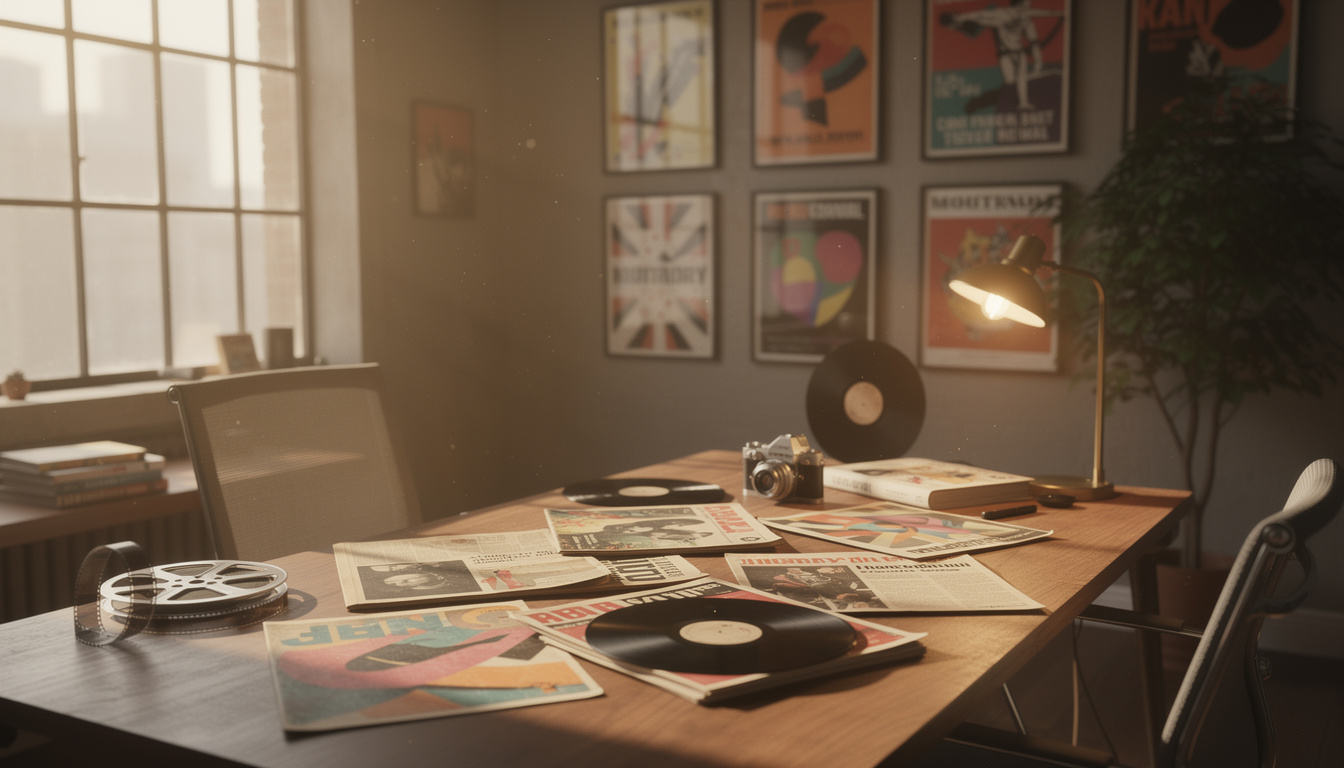
A retrospective looks back at the journey of the Montreal Mirror magazine, a hub of Montreal's English-language culture. This piece places the weekly's closure within the broader shift in the media landscape and examines the legacy left to local scenes and cultural journalism practices.
Cultural Retrospective of the Montreal Mirror: Memory and Legacy in Montreal 🎭
Founded in the 1980s, the Montreal Mirror established itself as an observer of urban life and cultural events. Its trajectory illustrates the tensions between the print model and the digital economy, and highlights the role free weeklies played for an active linguistic minority in the metropolis.
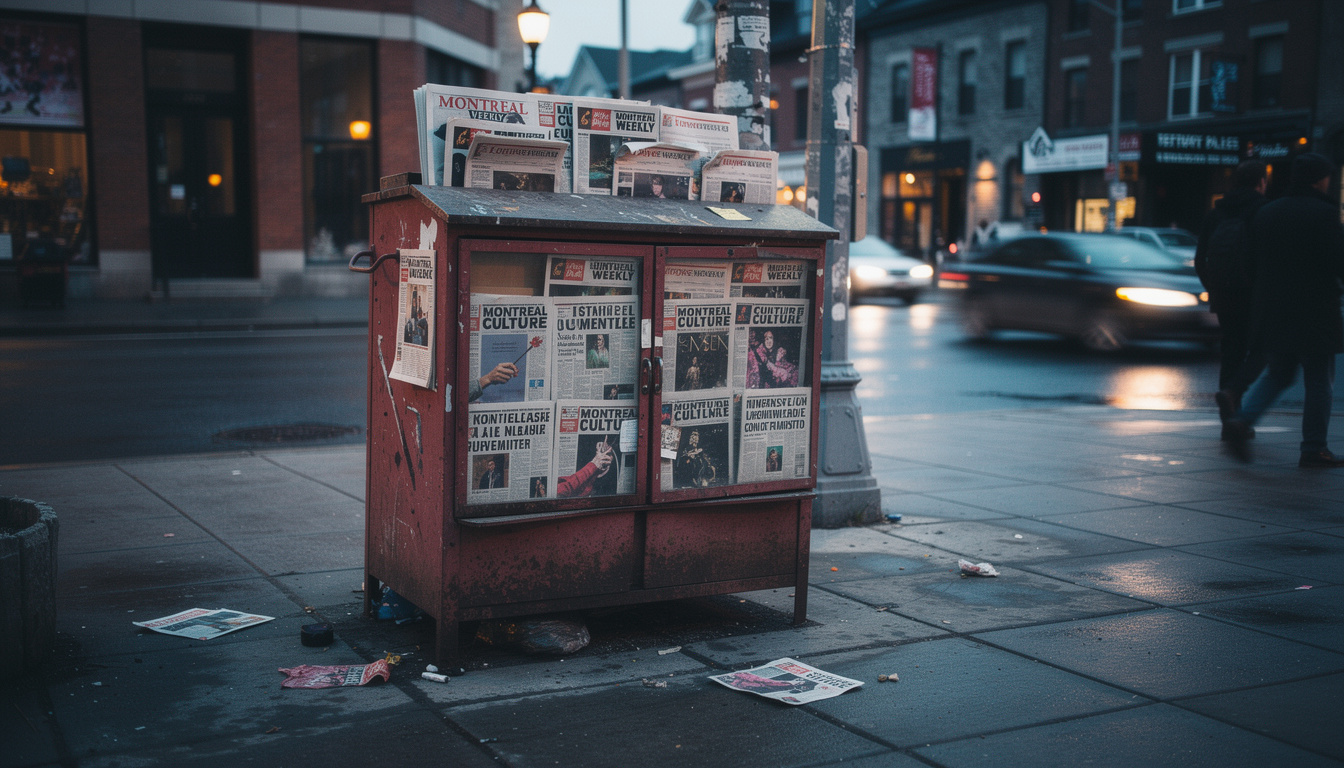
This historical look offers a better understanding of how a local publication documented the history of performance venues, artistic collectives, and public debates. Insight: the Mirror was not just a newspaper, but a logbook of cultural change.
From Closure to the Structural Forces Behind the Media Industry: Context and Key Figures 📉
The closure announced by the publisher is presented as the result of an irreversible shift in communication and consumption habits. The parent company stated that the rise of digital platforms and economic pressures undermined the weekly's viability, leading to staff cuts and internal transfers.
Over the years, media groups have reshaped their portfolios: paid dailies, free papers, regional publications, and web portals now make up a diverse but fragile ecosystem. To continue reading about the evolution of cultural offerings and exhibitions, a map of museums and events helps place these changes within a broader landscape: the various museums and exhibitions. Insight: the end of a print weekly mainly reveals a redistribution of resources and cultural visibility.
A Concrete Contribution to the Arts and to Montreal Life 🎬🎨
The Mirror published reviews, interviews, columns, and a full events calendar, aimed at Montreal's English-speaking community. The format included distinctive sections — opinionated editorials, society columns, and the famous Rant Line, which gave readers a voice — formats that fueled local debate.
This content left a lasting mark: archives, former editors, and spin-off projects have carried on the publication's memory. Several figures in the cultural scene have cited the paper as a launching pad for young critics and emerging scenes. Insight: the strength of a weekly lies as much in its archives as in the human network it creates.
From Archive to Future: Transmission, Initiatives, and Contemporary Scenes 🕰️
After the print format disappeared, former staff and contributors moved on to new platforms, giving rise to digital and nonprofit projects that continue the mission of cultural coverage. These initiatives show how journalistic know-how is being rebuilt around digital tools while preserving a critical standard.
To illustrate this continuity, the journey of a fictional cultural programmer, Amélie, serves as an example: asked to put together a retrospective of long-gone venues, she draws on the newspaper's archives to build an exhibition that connects past and present. Insight: transmission happens both in the archives and in people's ability to reuse those resources to create new cultural narratives.
What the Mirror's Story Reveals About Cultural Journalism in 2026 📰
The disappearance of a voice like the Mirror's raises questions about the place of specialized journalism in an environment where attention is increasingly fragmented. Funding, editorial models, and community remain central issues in ensuring a diversity of perspectives on the arts and urban life.
Looking at how the media landscape has been reshaped since the 2000s, it becomes clear that archives and local engagement are strategic assets for envisioning sustainable models. Insight: for culture, the question is no longer just about surviving, but about reinventing itself collectively.
To continue exploring this topic and discover examples of exhibitions and museum venues, this online resource offers a useful selection for understanding the evolution of cultural practices: guide to museums and exhibitions 🎟️
This article was written with the help of artificial intelligence. Editorial policy