
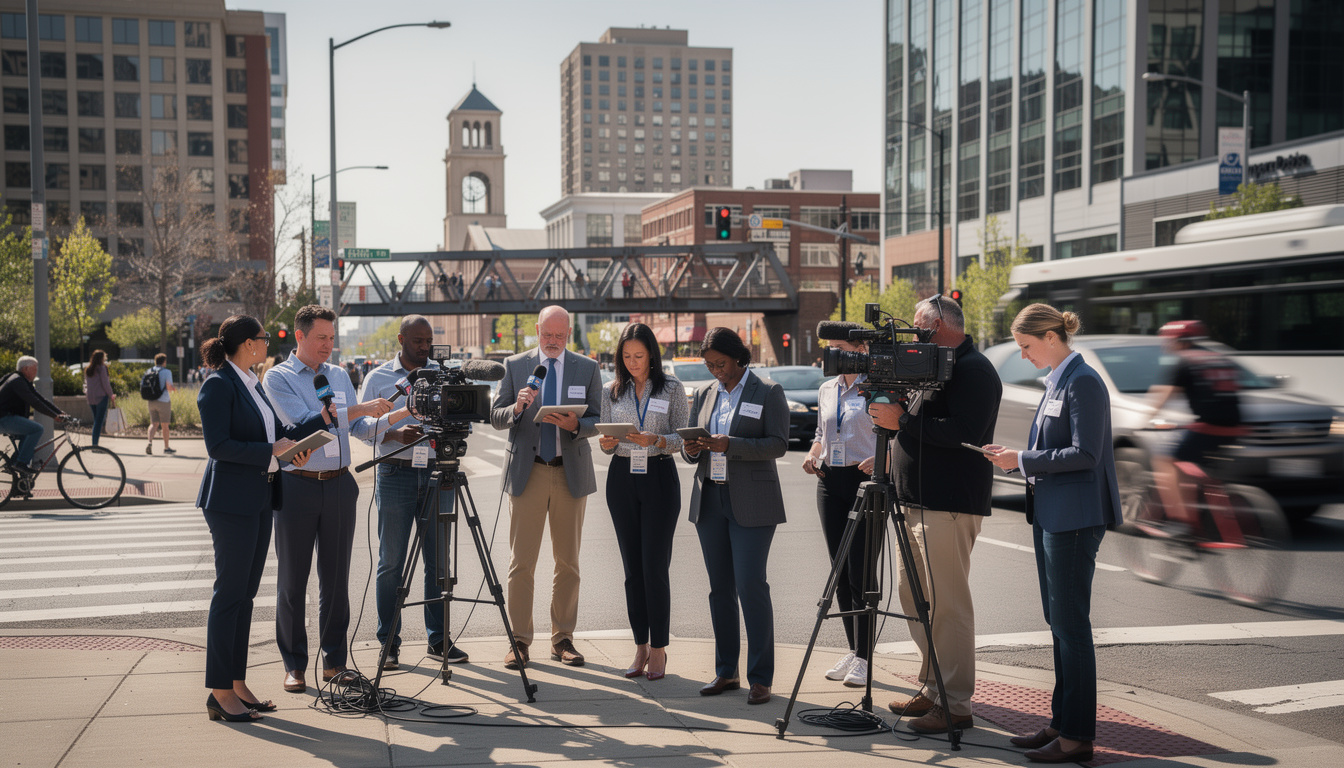
The local news landscape is changing: more than a simple feed of information, it now calls for tools that connect residents, public officials, and professionals. This piece looks at how the Arkcity magazine structures these exchanges, encourages on-the-ground reporting, and highlights local events to build a useful record of the community. 🔎
Arkcity.net: local news, reporting, and neighborhood interviews
The platform combines in-depth features with lively firsthand accounts to capture local dynamics without unnecessary noise. Interviews with experts sit alongside stories from residents, turning every page into a resource that a city hall or a local association can actually put to use. Insight: the quality of the exchange creates an actionable archive rather than a mere snapshot.
Ease of use that serves the community and urban culture
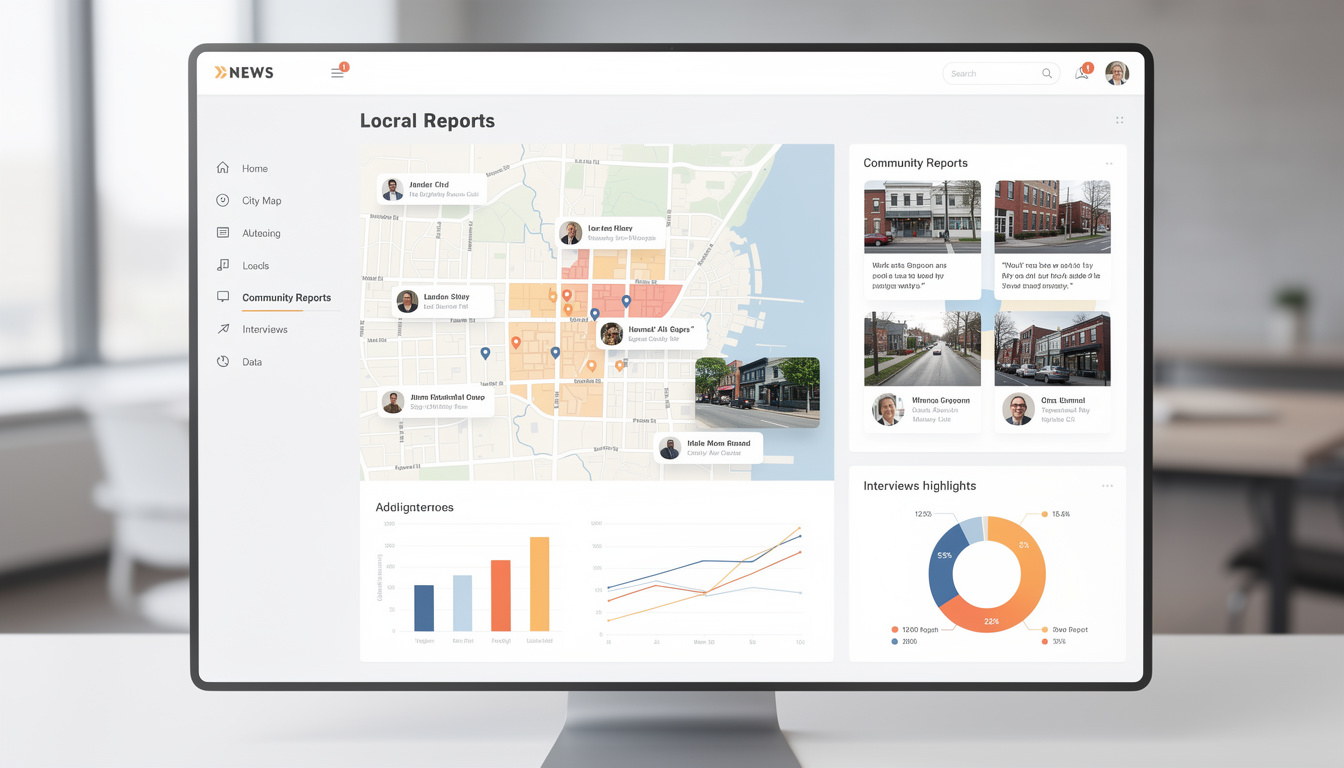
The interface prioritizes quick pathways: filters by area, topic, and type of expertise make it possible to reach a given feature in just a few clicks. Moderation frames freedom of expression with clear rules, encouraging contributors to back up their arguments and discuss things calmly. 📌
Concrete example: an attorney publishes an overview of labor law, then answers readers' questions; this instructive format strengthens understanding and encourages useful feedback. To dig deeper into digital tools and media monitoring, technology monitoring offers additional analysis on formats and distribution. Insight: good usability gives readers back valuable time.
Local SEO and visibility: a lever for small organizations
The platform becomes an effective relay for businesses and associations that document their activities: standardized profiles, neighborhood guides, and geolocated testimonials improve offline conversion. Editorial work takes priority over technical tricks, with practical content that answers “near me” searches. 🔍
A three-month action plan built around a NAP audit, local guides, and internal linking produces measurable gains in qualified traffic. For broader storytelling examples, the feature on editorial trends and tourism offers useful benchmarks, particularly for adapting communication during vacation periods (practical guide). Insight: local visibility is built through usefulness, not promotion.
Multimedia resources and archives for tracking urban development
Multimedia content serves understanding: interactive maps by street segment, before-and-after galleries, and short audio clips allow people to dive into the details of an urban project. The neighborhood cooperative illustrates the point: by documenting every stage of a renovation, it turned residents' feedback into decisions shared with elected officials. 🎯
Structured archives make it possible to compare developments over time and allow local decision-makers to reuse them. A well-captioned, dated photo report is often worth more than a series of posters; it stays accessible for a long time and feeds the collective memory. Insight: traceability increases the legitimacy of proposals.
The experience offered by this approach invites us to think of a digital presence as a cycle: document, publish, follow up, update. Whether for debates on urban development, local policy initiatives, or society features, the goal is to direct attention toward what is useful and verifiable. ✨
This article was written with the help of artificial intelligence. Editorial policy