
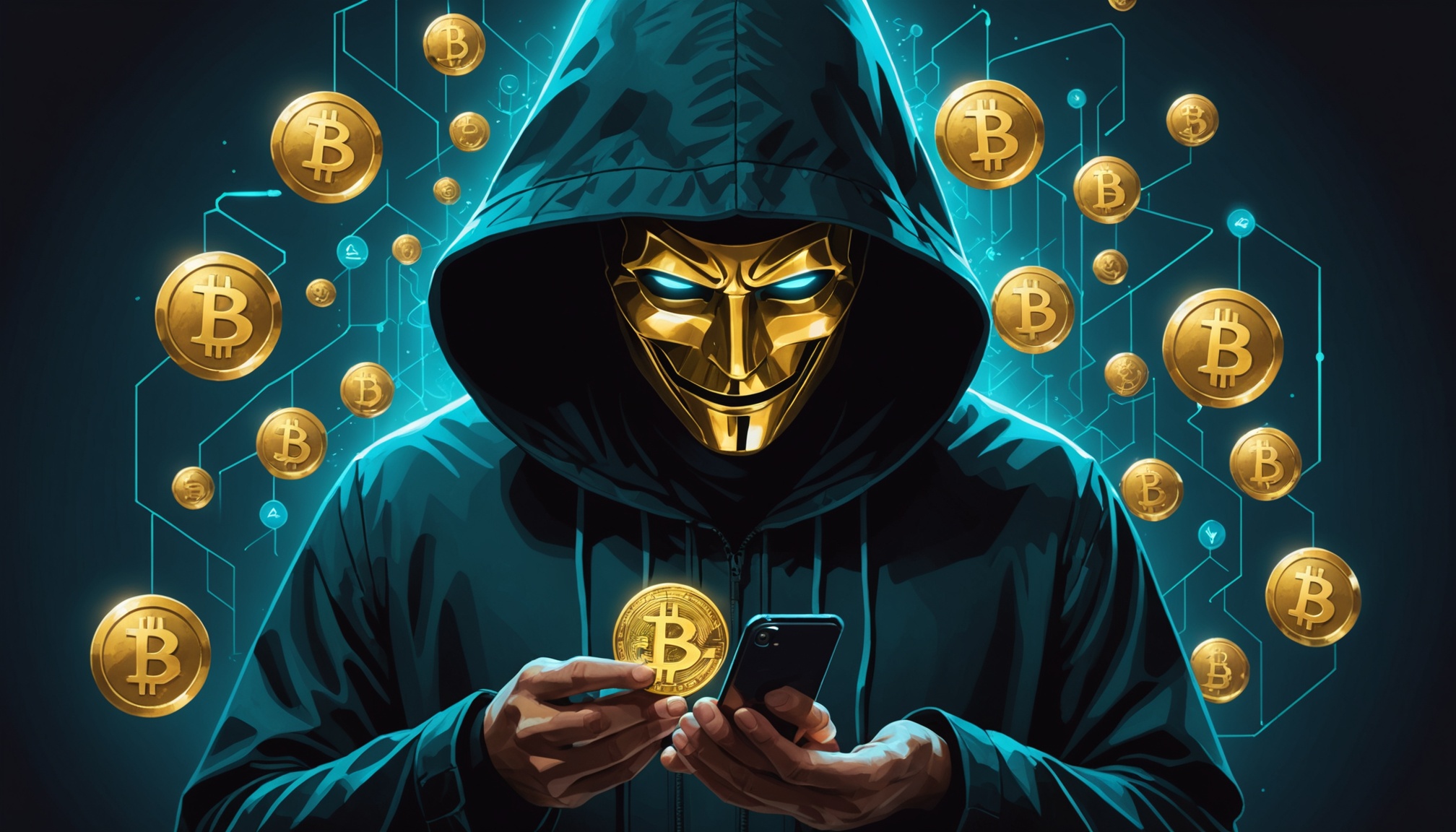
A fake article imitating a well-known media outlet, a convincing video of a familiar face, a sponsored ad promising instant riches through bitcoin: crypto scams involving identity theft are on the rise. Scammers are no longer content with just imitating an exchange platform; they steal the face and name of journalists, executives, and institutions to lend an air of legitimacy to investments that don't actually exist. Understanding how this scheme works is now the best protection against it.
How It Works: Stolen Credibility and Imaginary Gains
The scheme is now well established. Fake news articles, copying the visual identity of well-known news sites, stage a “confrontation” or “revelation” involving a respected public figure. According to Défacto, the fact-checking agency affiliated with the AFP (Agence France-Presse), the identity of journalist Elise Lucet has been stolen on several occasions, through fake articles mimicking the look of franceinfo and a supposed Cash Investigation exposé on investment platforms.
The same networks had previously hijacked the image of François Villeroy de Galhau, former governor of the Banque de France (the French central bank), and of Michel-Edouard Leclerc. The common thread: an unrealistic promise of returns—on the order of 23% per year in one of the fake articles identified by the AFP—and a sense of urgency designed to push the victim into depositing money as quickly as possible.
Deepfakes and AI: Scams Kick Into High Gear
What's new is the use of artificial intelligence. Fraudsters generate deepfakes—synthetic videos or voices—of well-known figures, paired with authentic-looking logos and carefully written documents. The illusion becomes difficult to spot with the naked eye. In February 2026, Meta even filed lawsuits in Brazil and China against networks using celebrity deepfakes in fraudulent ads.
These doctored videos mostly circulate through sponsored posts on social media, which lead to a showcase website and then to a fake advisor. The initial “gains” displayed on a fake dashboard are designed to build trust; the trap closes the moment withdrawal becomes impossible.
Smart Habits to Avoid Getting Caught
- Check for proper licensing: no legitimate provider guarantees a return. Check the official registers (REGAFI, ORIAS) and the AMF's (the French financial markets regulator) blacklist before making any payment.
- Be wary of urgency and promises of quick gains: this is the hallmark of a scam.
- Cross-check the source: a shocking “interview” that doesn't appear on the actual website of the media outlet cited is almost always fake.
- Never share identity documents, bank details, or remote access with an unverified contact.
- Report any attempt immediately through the dedicated channels.
To learn more about protecting your data, check out our Digital section, our everyday tips in Practical Living, as well as our ongoing Crypto coverage.
What to Do If You've Been Targeted
Speed matters. Contact your bank without delay to try to block or dispute the transfers. Gather all the evidence (screenshots, exchanges, the contact details used), then file a police report, including online through the THESEE system. The cybermalveillance.gouv.fr platform offers free assistance, and fraudulent content can be reported to Pharos (the French online reporting platform) as well as the DGCCRF (the French consumer protection agency).
Frequently Asked Questions
Does a Video of a Well-Known Figure Guarantee an Investment Is Legitimate?
No. A video, even a very realistic one, can be a deepfake. The presence of a famous face has no legal value: all that matters is the provider's official licensing, which can be verified in public registers.
How Can You Tell a Real Article From a Fake One?
Check the website address (a URL that's slightly different from the official media outlet's is a red flag), search for the article directly on the outlet's real site, and be wary of content that can only be reached through a sponsored ad.
Can Lost Money Be Recovered?
It's difficult, but not always impossible. A very quick response from the bank increases the chances of blocking the transfer. Filing a police report remains essential for the rest of the process.
Sources
- Défacto / AFP Factuel — Crypto scam: Elise Lucet's identity stolen again
- Tendance Ouest — How scammers used Elise Lucet to trick internet users
- Cybermalveillance.gouv.fr — Assistance and reporting
This article was written with the help of artificial intelligence. Editorial policy