
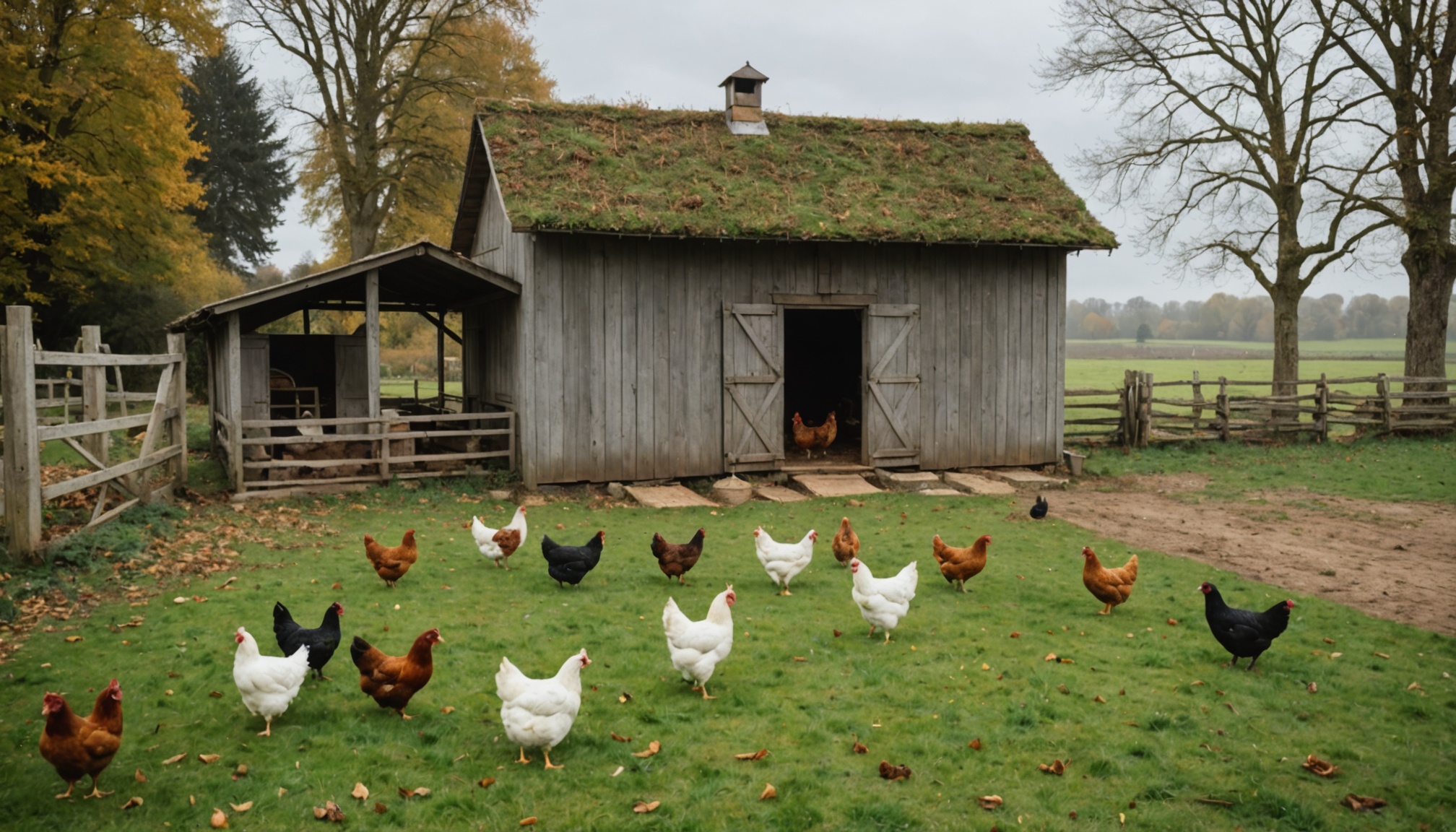
The risk level for highly pathogenic avian influenza has just been raised in France. A ministerial order published in early November moves the country from “negligible” to “moderate” level, after a brief classification at “high” level while the situation was being assessed. The reason: particularly active viral circulation among wild birds, especially waterfowl, at the peak of the fall migration. For owners of chickens, ducks or other poultry, whether professional farmers or simply individuals with a backyard flock, this change in status brings concrete obligations.
Why is the risk rising now
Every fall, migratory birds heading south help spread the avian flu virus. Veterinary services are observing more sustained viral circulation than usual among wild birds this year, with a migration peak expected during November. It is this context that led health authorities to raise the risk level across mainland France, before a quick adjustment to account for the areas actually exposed.
What changes for farms and backyard flocks
In the areas identified by local prefectures as being at particular risk, protective measures must now be equivalent to those of a high risk level. Specifically:
- Facilities holding 50 or more poultry must shelter their animals, under a building or a protective net.
- Poultry feed and water must be protected from any contact with wild birds.
- Individuals with a backyard flock, even just a few chickens, are urged to apply the same precautions once they are in a particular-risk area.
- Gatherings of birds (markets, competitions, exhibitions) may be restricted locally depending on prefectural orders.
Failure to comply with these biosecurity measures can expose farmers to administrative penalties, in addition to the direct health risk to their flocks. State services also recommend reporting any abnormal mortality observed among birds, whether domestic or wild, without delay.
What consequences for consumers
Beyond farmers, this rise in risk could have repercussions on the availability and price of poultry in the coming weeks, especially if outbreaks were to be confirmed on farms. The egg and poultry industries are closely monitoring how the situation develops, just weeks before the year-end holidays when demand for poultry for holiday meals traditionally climbs.
In addition, every pet owner is affected by the broader identification and health-monitoring obligations, an already sensitive topic since the recent data breach affecting millions of pet owners registered in national databases. Health vigilance therefore also comes with vigilance over the protection of information tied to pets, an issue that also concerns shelters facing a rise in pet abandonments.
What to do if you own poultry
Authorities recommend contacting your local prefecture to find out the exact classification of your area, and strictly following the biosecurity measures in force. A simple gesture, such as disinfecting your boots before entering a henhouse or avoiding any contact between domestic poultry and wildlife, considerably limits the risk of contamination.
These rules fall both under the law applicable to farming activities and under everyday good practical living habits; for farms, they are also part of the broader obligations that apply to any business in the agri-food sector.
Frequently asked questions
Does the moderate risk level apply to all of France?
No. The classification applies differently depending on the area: particular-risk zones, delineated by prefectural order around migration corridors and wetlands, are subject to the strictest measures.
Does an individual owner of a few chickens need to shelter them?
The formal sheltering requirement applies to facilities with 50 or more poultry, but authorities recommend that individuals located in a risk area apply the same precautions as a safety measure, particularly to avoid any contact with wild birds.
Does avian flu pose a risk to humans?
The risk to the general population remains very low according to health authorities. The measures taken are primarily aimed at protecting farms and limiting the spread of the virus among birds.
Sources
- Nord Prefecture – Avian influenza: risk level raised to moderate
- Réussir – Avian flu: France moves to moderate risk
- La Gazette France – Avian flu: risk level in France raised to “moderate”
This article was written with the help of artificial intelligence. Editorial policy