
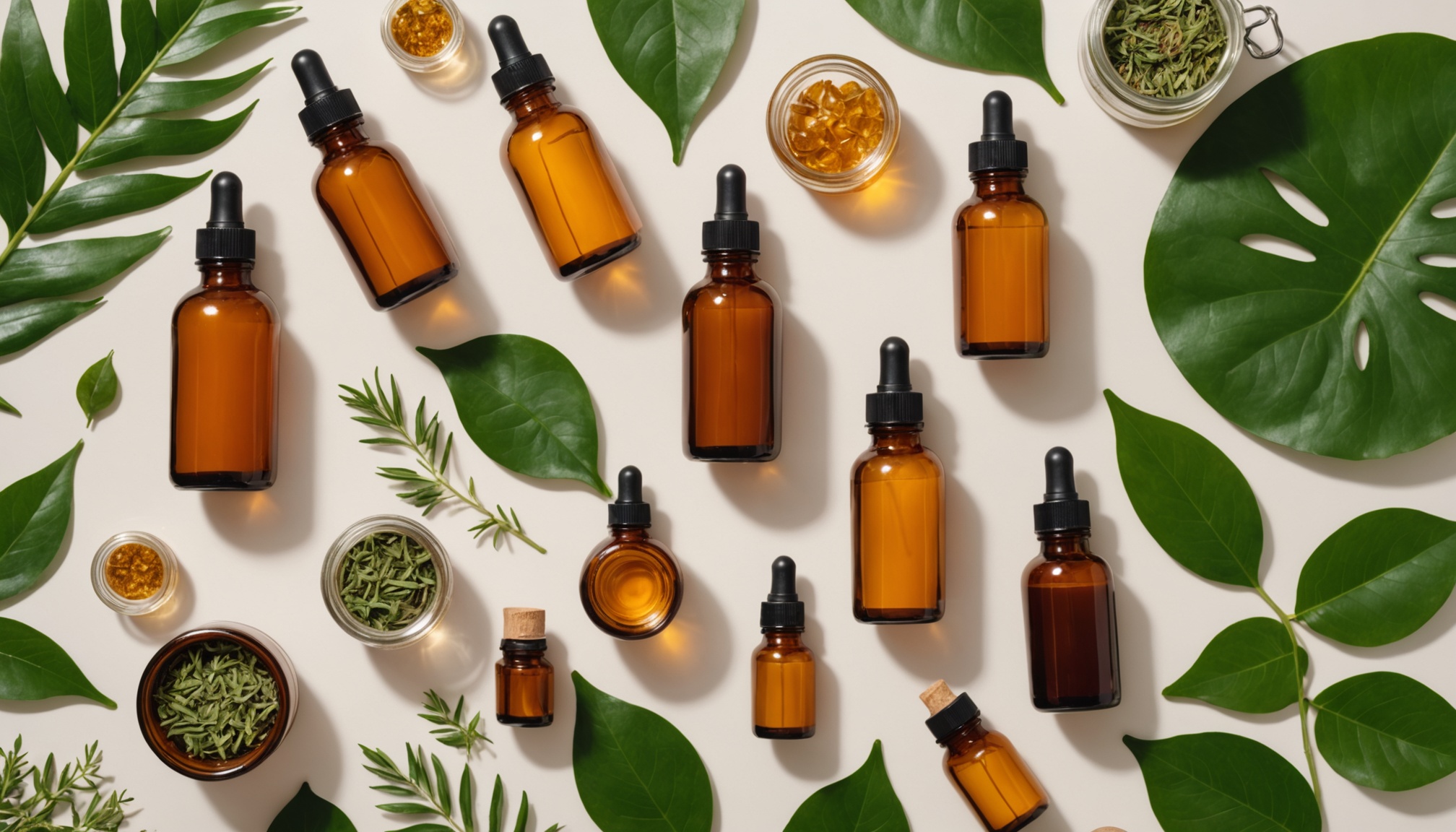
It's not easy to know where to turn in the aisles: between green packaging and “natural” claims, not all products that make such claims are equal. Choosing good organic cosmetics requires knowing a few simple pointers, from labels to ingredient lists, to avoid greenwashing and disappointment.
Labels: Separating the Real Thing from Marketing
In France, the reference certification is called Cosmos (Cosmetic Organic Standard), run since 2010 by five European organizations including Ecocert and Cosmébio. It comes in two versions: “Cosmos Organic,” which requires that at least 95% of ingredients be of natural origin and that a certain share come from organic farming, and “Cosmos Natural,” more flexible on the organic share but just as strict about the natural origin of ingredients. The standard also bans silicones, PEGs, parabens, and petrochemical derivatives, and regulates manufacturing processes and packaging.
Cosmébio, for its part, is not a certifying body: it's a trade association that brings together committed brands, while certification itself is issued by an independent organization such as Ecocert. A Cosmos or Ecocert logo on a bottle is therefore a reliable sign; a simple “organic” claim in large letters, with no logo or certification number, is not.
Read the INCI List Before Trusting the Label
Beyond labels, the INCI list (International Nomenclature of Cosmetic Ingredients), mandatory on every package since European regulation No. 1223/2009, remains the most reliable document. It ranks ingredients in descending order of concentration. A few families deserve particular attention: parabens, triclosan, BHA and BHT, certain benzophenones used as UV filters, and phthalates, regularly cited among the endocrine disruptors suspected by health agencies. Their presence alone doesn't make a product dangerous, but it automatically disqualifies any organic certification, which excludes them by design.
To compare several already-certified ranges before buying, specialized catalogs such as LovelySkin, dedicated to organic cosmetics, let you filter products by label, skin type, and price—a worthwhile time-saver when facing often-crowded shelves.
The Mistakes That Cost You
The most common one is relying solely on the color of the packaging or on words like “natural,” “fragrance-free,” or “dermatologically tested,” which aren't governed by any specific regulation and can appear on very conventional formulas. Conversely, a certified product isn't automatically suited to every skin type: a poorly chosen organic anti-aging cream can be just as unsuitable as a conventional product if it doesn't match your skin type or actual needs.
Another pitfall: confusing “organic” with “natural.” Ingredients like neem are natural without necessarily coming from organic farming, and conversely, some organic active ingredients are synthesized in a lab from certified raw materials. The two concepts overlap but don't line up perfectly, including for home products like natural home fragrances, which follow the same certification logic.
Choose Based on Your Skin, Not Just the Label
A good habit is to test a new product on a small area for 48 hours before applying it more broadly, organic or not. Sensitive or allergy-prone skin benefits from checking for essential oils or fragrance, two categories of allergens frequently responsible for reactions, even in certified formulas. When in doubt, a dermatologist remains the best resource for sorting marketing claims from real compatibility with your skin.
Frequently Asked Questions
Is an “organic” product automatically hypoallergenic?
No. Organic certification covers the origin of ingredients and manufacturing processes, not allergy risk: essential oils and natural fragrances can cause reactions just like any synthetic ingredient.
How can you check that a label wasn't invented by the brand?
A legitimate label points to an identifiable certifying body (Ecocert, for example) and a verifiable certification number, unlike marketing claims with no logo or reference.
Should all preservatives be avoided in organic cosmetics?
No: a product needs a minimum amount of preservation to stay safe over time. Organic standards exclude certain controversial preservatives (parabens in particular) but allow others considered safer.
Sources
- ADEME — Ecocert Cosmos Labels for Hygiene and Beauty Products
- UFC-Que Choisir — Toxic Molecules to Avoid in Cosmetics
- EUR-Lex — Regulation (EC) No. 1223/2009 on Cosmetic Products
This article was written with the help of artificial intelligence. Editorial policy