
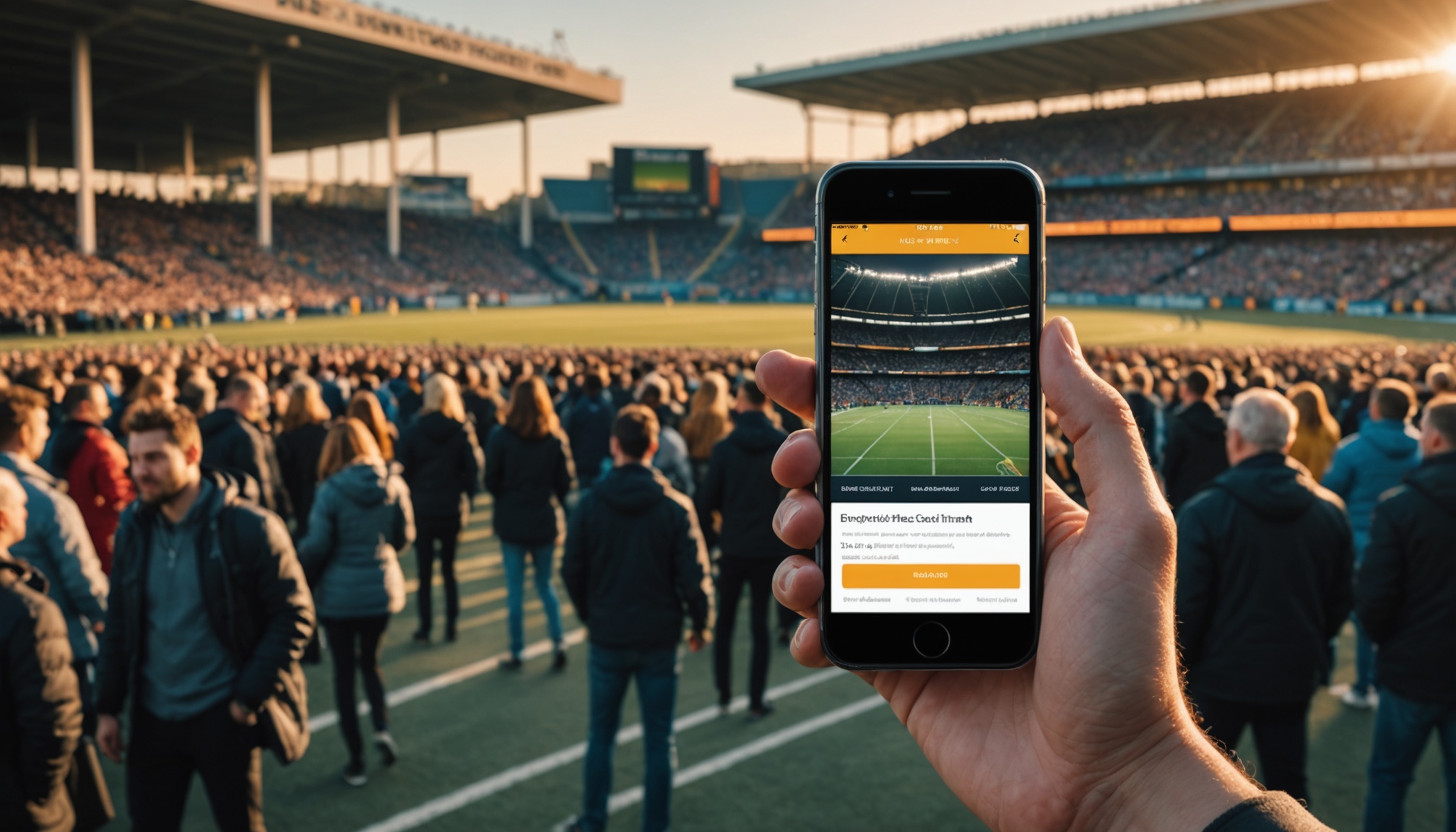
Online ticket resale was supposed to be the last-resort solution for thousands of fans heading to the 2026 World Cup. For some of them, it's turning into a nightmare. As the tournament, hosted by the United States, Canada, and Mexico, enters its knockout stage, hundreds of buyers report having had their tickets canceled at the last minute by resale platforms, sometimes just hours before kickoff. It's a reminder that in the online shopping market, sports events remain high-risk territory for individual buyers.
Tickets Canceled Just Hours Before Kickoff
According to the BBC, hundreds of fans who bought seats on the resale site StubHub say their tickets were canceled at the last minute. Some accounts illustrate the scale of the damage: one fan says he spent $6,000 on a trip to a stadium… only to be left stranded at the gates. That's because a ticket refund, when it does come, covers neither flights, nor lodging, nor the vacation days taken for the occasion.
The case has taken a legal turn: on June 30, fans filed a class-action lawsuit in a federal court in Manhattan, seeking several million dollars in damages. Separately, the Texas Attorney General opened an investigation after reports of cancellations occurring days, or even hours, before matches. The company disputes these accusations and says it always offers customers either a refund or a replacement ticket.
“Ghost Ticketing”: The Mechanics of a Trap
At the heart of the complaints is a practice known as ghost ticketing: sellers list tickets they don't actually own yet, collect payment, then cancel the transaction if they can't secure the promised seats. Buyers discover the problem at the worst possible moment, once they've already arrived. This scheme isn't unique to soccer: it thrives at any event where demand far outstrips supply, from concerts to major competitions that send fans traveling around the world.
What FIFA's Official Platform Offers
A regulated option does exist, however. FIFA operates its own official resale and exchange platform, accessible from its ticketing website, open until roughly one hour before kickoff of each match. Only tickets officially purchased from FIFA can be resold there, which by design rules out ghost tickets. The service isn't free: a commission of about 15% applies to both the buyer and the seller. In Mexico, resale is even capped at face value, barring any speculation. FIFA also warns that tickets bought on third-party sites may be refused at the stadium entrance, with no recourse.
A Checklist for Buying Without Getting Scammed
The recommendations from France's consumer fraud watchdog, the DGCCRF (the Directorate General for Competition, Consumer Affairs and Fraud Control), apply perfectly to this type of purchase:
- Stick to the official channel run by the organizer or its approved resale platform, even if the fees seem high: they're the price of guaranteed entry.
- Check the site's reliability: legal notices, the seller's identity, consumer reviews, secure payment (the padlock icon and “https”).
- Read the cancellation and replacement terms before paying, not after.
- Be wary of named tickets resold between individuals: a ticket that has already been scanned or issued in someone else's name can be refused at the entrance.
- Keep all evidence (the listing, correspondence, receipts) and report any dispute on SignalConso (France's consumer complaint platform); for a site based in the European Union, the European Consumer Centre France can help support the claim.
Lastly, it's worth remembering that in France, the regular resale of tickets without the organizer's consent is regulated by law, which explains why many resale platforms are absent from the French market. It's a useful habit to keep in mind for upcoming major sporting and cultural events alike.
Frequently Asked Questions
What Is “Ghost Ticketing”?
It's the listing of tickets that the seller doesn't actually own yet. They collect the payment, hope to secure the seat afterward, and cancel the order if they can't — often at the last minute.
Is a Ticket Bought on an Unofficial Resale Site Valid?
Not necessarily. FIFA warns that 2026 World Cup tickets bought outside its official channels can be canceled or refused at the stadium entrance, with no guaranteed refund.
What Should I Do If My Online Ticket Purchase Is Canceled?
Request a full refund in writing, gather your proof of purchase, and then report the dispute on SignalConso. If the site is based in the EU, the European Consumer Centre France can assist you; paying by credit card may also entitle you to a chargeback process.
Sources
- BBC News — “I spent $6,000 on a World Cup trip but was left stranded at the gate”
- FIFA — 2026 World Cup Ticket Resale and Exchange Market
- DGCCRF — Resale of Tickets for Shows or Sporting Events: Stay Vigilant
This article was written with the help of artificial intelligence. Editorial policy
