
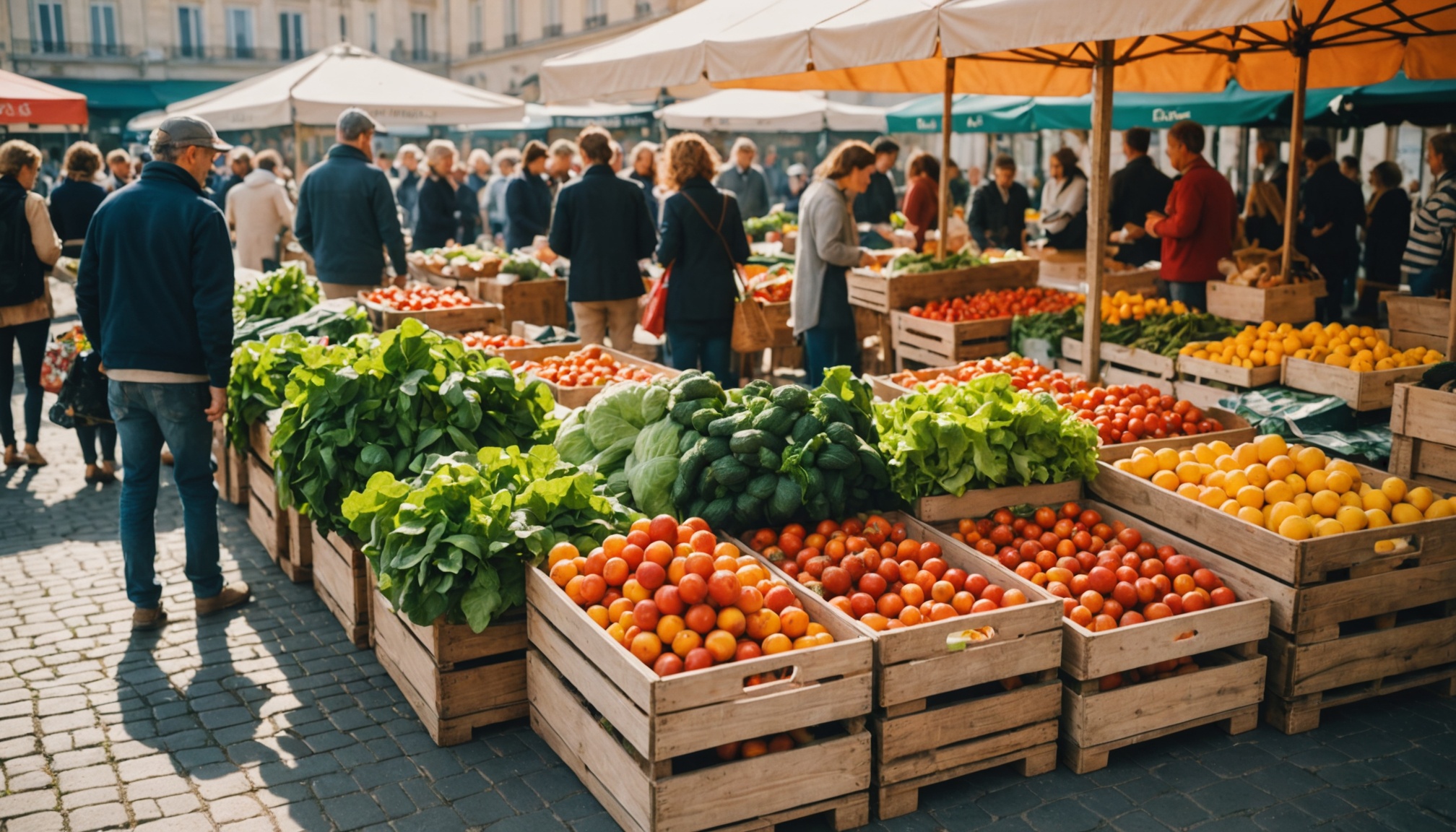
Grocery bills aren't coming down. According to the latest figures from INSEE (the French national statistics institute), published on June 13, 2026, consumer prices rose 2.4% year-over-year in May, driven in part by a renewed acceleration in fresh food products. For households, the gap between an overall inflation rate that remains contained and the real cost at the supermarket checkout keeps widening, shopping trip after shopping trip.
What the INSEE Figures Show
The consumer price index rose 0.1% month-over-month in May 2026, following a sharp 1.0% increase in April. Year-over-year, the increase reached 2.4%, compared with 2.2% in April. Food, meanwhile, remains the most volatile category for French households' budgets.
- Food products: +0.3% month-over-month, after +0.2% in April;
- Fresh produce: +1.9% month-over-month, a sharp acceleration after +1.0%;
- Fresh produce year-over-year: +4.1%, the steepest annual rise in the food category;
- Meat: +2.9% year-over-year;
- Fresh vegetables: +2.4% month-over-month, after a 1.8% drop in April.
Why Fresh Produce Prices Are Surging Again
Several effects are compounding one another. The first is climate-related: a series of early heat waves has damaged certain vegetable crops. The second is energy-related: the 10.3% rise in gas prices in May is weighing on greenhouses, cold-chain logistics, and processing. The third is structural: a decade of pressure on livestock production costs continues to work its way through the meat and dairy aisles.
Conversely, the 1.9% drop in petroleum product prices eased the cost of transportation, but this relief wasn't enough to offset the drift in fresh produce prices.
What This Means in Practice for Households
For a family of four, the monthly food budget now runs around €600 to €650 a month, according to 2026 estimates. The same reference basket of about thirty items can cost nearly 20% more in Paris than in the Vendée region, a gap that can add up to more than €1,000 a year depending on where you live. Food's share of fixed household expenses is rising, particularly for lower-income households.
As a result, households are adjusting their shopping habits faster than ever. Retailers report a shift toward store brands, family-sized packaging, and “ugly” fruit and vegetable sections, which are taking up a growing share of shopping carts.
Smart Habits to Cushion the Price Hikes
- Buy seasonal produce: in June, peaches, apricots, zucchini, tomatoes, and field-grown strawberries remain the most affordable options.
- Plan your meals before writing your shopping list to limit food waste, the leading source of hidden inflation.
- Shop at the market in the late morning, when prices on perishable goods often drop.
- Compare price per kilogram rather than price per unit: the gap between package sizes can reach 20 to 30%.
- Save processed foods and ready-made meals for occasional use: they're the most exposed to rising energy and packaging costs.
For a deeper look at purchasing power issues, check out the analysis published in the Economy section; for everyday tips, the Practical Living section brings together the editorial team's budgeting advice.
Frequently Asked Questions
Why Are Fresh Produce Prices Rising Faster Than Other Foods?
Because they depend heavily on weather and energy (greenhouses, cold-chain logistics) and offer no room for storage. A short-term shock can therefore pass straight through to store shelves, with nothing to cushion it.
Will Food Inflation Slow Down This Summer?
Peak season from June through August traditionally brings some relief on fruit and vegetable prices. But the trajectory of gas prices and weather conditions will remain decisive going forward.
Which Category Weighs Most Heavily on a Family's Food Budget?
Meat and fresh produce generally account for more than 40% of the total, ahead of beverages, dairy products, and dry groceries.
Sources
- INSEE — Quick Report No. 140, consumer prices May 2026
- INSEE — Quick Report No. 109, consumer prices April 2026
- Service-Public.fr — Food, labeling, and consumer information
This article was written with the help of artificial intelligence. Editorial policy
