

Deepening your knowledge requires informed choices, the right tools, and a consistency that turns curiosity into skill. This article presents concrete approaches for making culture part of everyday life, drawing on digital resources as well as traditional practices.
The throughline follows two typical profiles — Camille, a librarian devoted to self-education, and Lucas, a literature student — to show how short habits can be turned into lasting progress. 🔎📚
Deepening Your Knowledge: Why indepthinfo.com Has a Place in the Cultural Magazine Landscape
The platform indepthinfo.com presents itself as a hybrid tool between a magazine and an information database, designed to offer in-depth information and detailed articles aimed at structuring personal knowledge. In practice, the offering combines summary fact sheets with playful formats to make daily learning easier. 🧠
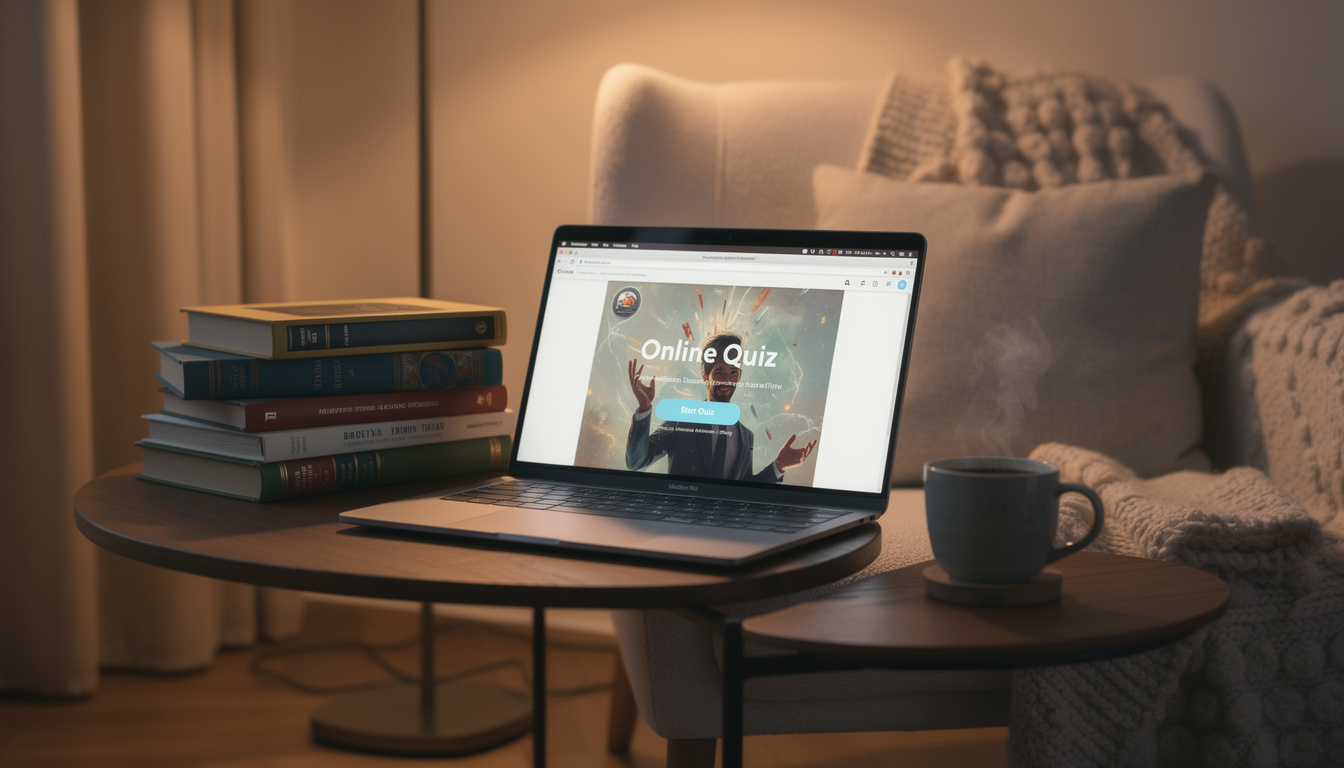
Among the highlighted features are 200 quizzes and nearly 2,000 questions covering geography, history, science, and general knowledge, organized by level. This structure makes it possible to alternate short review sessions with supplementary reading to dig deeper into a topic after testing one's knowledge. Insight: a short, regular habit beats one intensive session. 🔁
Reading and the Cultural Scene: How to Combine Pleasure and Knowledge
Literature remains a pillar of culture: diving into reference works helps grasp historical and social issues. Titles such as The Waves (Virginia Woolf), The Years (Annie Ernaux), or The Plague (Albert Camus) offer different perspectives on time, memory, and solidarity.
Visiting bookstores, author talks, and late-night museum openings (the Musée d'Orsay, the Palais de Tokyo, the Louvre) in France helps ground reading in a tangible experience. These events create opportunities for exchange that extend reading and shed light on artistic creation. 🎭
For Camille, pairing a weekly reading session with an exhibition visit turns information into lasting understanding. Insight: culture sticks better when experienced collectively. ✨
Music, Podcasts, and MOOCs: Digital Tools in the Service of Education
Streaming platforms and MOOCs offer quick access to educational content: art history courses on Dunod or Plon, themed playlists for discovering new genres or eras, and specialized podcasts to make the most of daily commutes. 🎧
Recommended podcasts — for example La Grande Librairie, Les Mains dans la pop, or Le Book Club — serve as a supplement for digging deeper into a subject without needing to block out time in one's schedule. Combining online courses with regular listening helps consolidate knowledge. 🧭
Lucas illustrates this approach: a few episodes during commutes, an occasional MOOC, then reading a detailed article turns passive listening into usable knowledge. Insight: media diversity strengthens cognitive retention. 📘
Turning Curiosity into Skill: Practical Methods and Use Cases
The most effective method combines quick tests, targeted reading, and spaced repetition. On indepthinfo.com, the quiz-to-related-article mechanism makes it possible to spot a gap in knowledge and then access an explanatory fact sheet to fill it. This combination encourages active memorization and the mastery of knowledge.
The platform also caters to group uses: quiz nights with friends or exam prep, as shown by the interest in playful, progressive formats. For additional resources and tips on web browsing, a practical guide available online remains useful for organizing your digital information gathering: Tips for better web browsing. 🔍
Another useful example can be found in online communities, where sustained exchange reinforces what's been learned; exploring themed blog platforms helps build a personalized information-gathering routine: Blog communities and editorial practices. Insight: culture is meant to be shared, and sharing speeds up learning. 🤝
News, Analysis, and Perspective: Making Information Actionable
Deepening your knowledge today also means understanding the news beyond the immediate stream of headlines. Articles that provide contextualized analysis help connect a fact to the mechanisms that produce it, whether in economics, society, or science. In-depth information thus becomes a tool for acting and choosing more wisely.
The added value of a digital cultural magazine lies in its ability to offer structured learning paths: quizzes to test knowledge, fact sheets to explain, and articles to provide perspective. For anyone preparing for an oral exam or planning to host a quiz night, this approach is practical and effective. Insight: organizing how you consume information turns accumulation into lasting skill. 🧩
Toward New Ways of Learning: Looking Ahead
Technological and editorial shifts invite us to rethink informal education: short formats, multimedia, and learning communities are redefining how culture is practiced. The challenge lies in bringing these elements together to build an efficient, unhurried curiosity.
Looking ahead, it's worth asking how magazines and platforms will continue to combine factual information with in-depth analysis to meet the expectations of a demanding audience. Final insight: structured curiosity opens up renewed paths to knowledge. 🚀
This article was written with the help of artificial intelligence. Editorial policy