
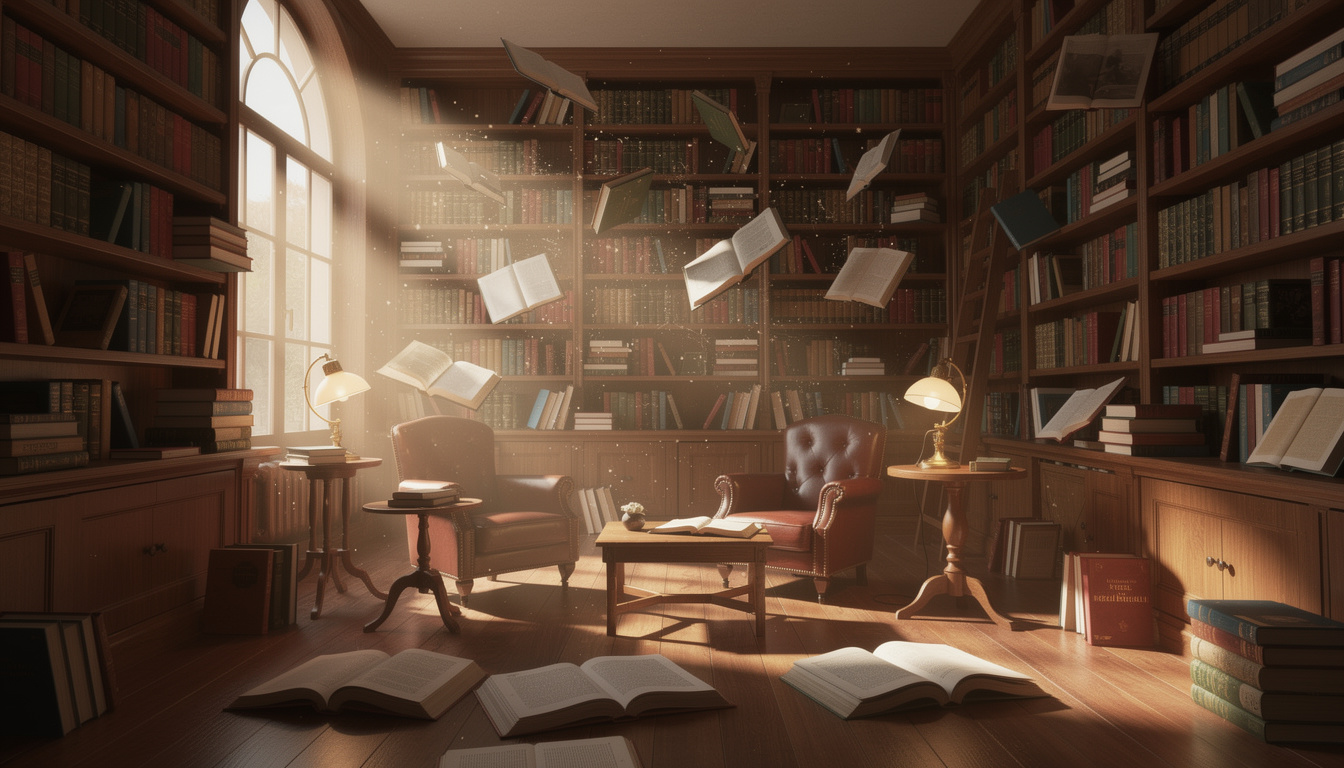
The world of books is reinventing itself from several angles: aesthetic, digital, and editorial. This overview explores how a cultural magazine embraces literature to make it visible to a wide audience, bringing together perspectives on novels, authors, the challenges facing publishing, and the life of local libraries. 🎯
Reading is no longer just a private pursuit; it sits at the heart of an ecosystem where literary criticism, new releases, and literary genres interact with fashion, digital technology, and collective reading practices. This angle goes beyond mere announcements to analyze impacts and trends.
The World of Books on Lemotif.fr: Trends, Authors, and New Releases
The magazine offers features and interviews that capture the industry's shifting landscape. It includes author profiles, sections on new releases, and insights into the changes reshaping publishing.
The columns aim to connect news from book fairs and literary prizes with library and online reading habits, while highlighting the economic challenges facing publishing houses. For those interested in digital resources, access to books online remains a central topic: access to books online provides useful context. 📚
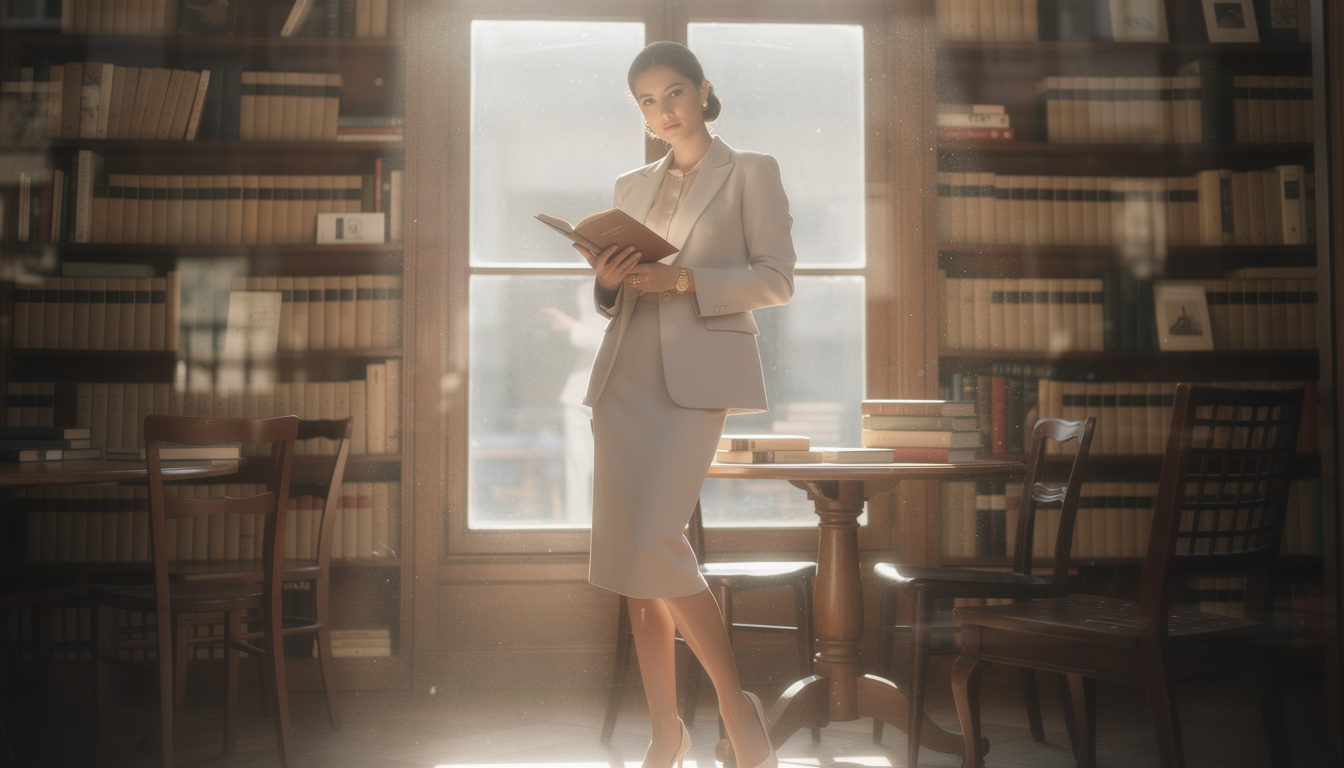
Literary Chic: Fashion That Reads
The so-called “literary chic” trend has taken over the spring/summer 2026 and fall/winter 2026-2027 runways: pencil skirts, structured blazers, and cardigans strike a studious yet relaxed note. Houses like Miu Miu and Prada have shown how an outfit can evoke a reader's posture without the academic stiffness. ✨
On the red carpet, the image spreads: a famous artist posed with a book and a flower in hand at a major music event, a reminder that literature today engages in dialogue with other cultural scenes. This connection between fashion and reading is reshaping how the public perceives authors and their worlds. Insight: fashion elevates reading while making it visually accessible.
This aesthetic shift is also influencing events around town: literary cafés and bookstore window displays are adopting visual codes borrowed from fashion, encouraging encounters between readers and creators.
The Augmented Library: Digital Technology, Publishing, and Access to Texts
The digital transition is renewing reading practices and publishing supply chains. Between legal platforms, digital archives, and e-lending solutions, the question of file circulation and reader protection is becoming central.
Understanding where one's data goes has become essential — not only for municipal libraries but also for individual readers and small publishing houses: protecting your personal data sheds light on the risks and best practices. 🔒
This evolution is leading to hybrid experiences: live-streamed public readings, virtual book clubs, and limited digital editions now complement in-person lending spaces. A concrete example: a small provincial library now hosts live-streamed cycles of author interviews, growing its audience and sparking local exchanges. Insight: digital technology extends reach without erasing the importance of physical spaces.
Literary Criticism and Readership: How Literary Genres Are Changing
Criticism is becoming more conversational, blending in-depth features, quick reviews, and public events. Traditional literary genres now sit alongside hybrid forms — autofiction, microfiction, graphic novels — that reflect readers' evolving expectations. 📝
To illustrate this shift, following the journey of a fictional librarian, Clara, reveals the concrete effects: she organizes reading evenings, panel discussions with local authors, and video-conference author interview sessions. These initiatives energize the local ecosystem and give readers direct access to contemporary works. Insight: local engagement reshapes how works are received and supports editorial diversity.
Through these angles — aesthetic, digital, and critical — the literary landscape reveals itself as diverse and ever-changing. The coming months promise to be rich in publishing projects and public events, confirming that books retain their power to bring people together and spark reflection. 📖
This article was written with the help of artificial intelligence. Editorial policy