
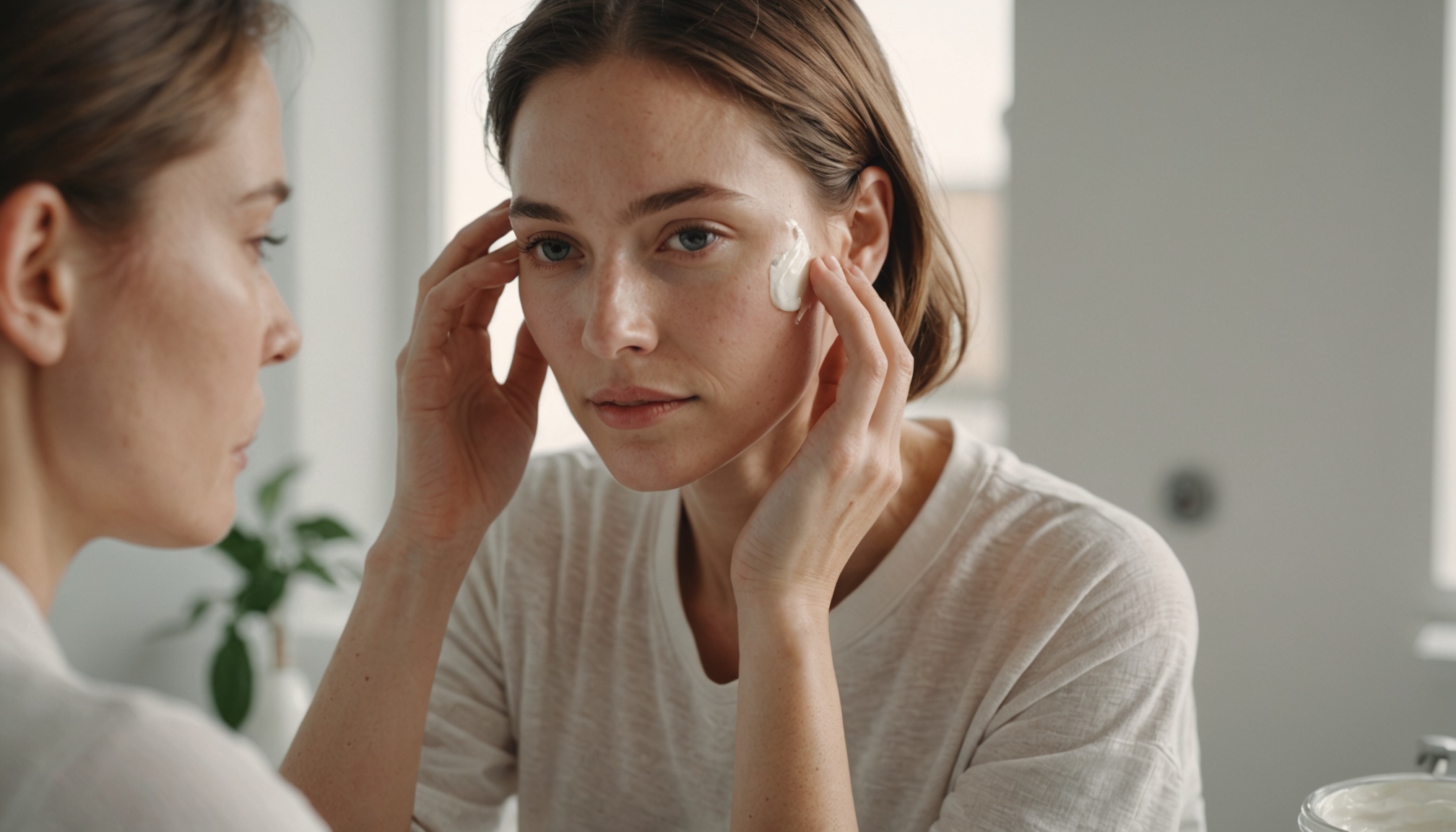
Plumping, soothing, “anti-wrinkle”: the promises printed on packaging can sometimes be dizzying. Choosing an effective anti-aging cream, however, requires looking beyond the packaging: the formula, the time of application, and consistency matter far more than the price tag on the shelf. Here are concrete guidelines to help you navigate the choices, without being swayed by marketing.
Why Skin Changes Over Time
From the late twenties onward, the production of collagen and elastin—two proteins that support skin firmness—begins to slow down. Skin gradually loses elasticity and its ability to retain water, which encourages the appearance of the first fine lines and a duller complexion. This phenomenon is natural and gradual: there's no “magic” age at which you need to switch to an anti-aging routine, but rather an evolution of the skin's needs that's worth anticipating.
The Active Ingredients to Look for in an Anti-Aging Cream
Three families of ingredients come up most often in serious formulations. Retinol stimulates cell renewal and collagen production, with visible effects generally appearing after two to three months of regular use at night. Vitamin C, an antioxidant, is better used in the morning to neutralize free radicals and even out skin tone. Finally, hyaluronic acid plumps and retains water in the skin's surface layers, regardless of skin type. Antioxidants aren't limited to cosmetics, either: they're also found in food, starting with green tea, whose polyphenols help protect cells.
How to Choose Your Cream Based on Skin Type and Budget
Dry skin needs a texture rich in film-forming agents and hyaluronic acid, while combination to oily skin tolerates a lighter gel-cream better, often based on retinol or niacinamide. Price is not a guarantee of effectiveness: it's the concentration of active ingredients, listed on the packaging or product page, that determines the result. To get your bearings among well-known brands in the field, Bluemercury's anti aging cream selection, for example, breaks down formulas by skin needs, which can serve as a point of comparison before you buy. In any case, testing the product on a small area of the face for a few days helps rule out any risk of reaction before applying it to the entire face.
The Mistakes That Reduce an Anti-Aging Cream's Effectiveness
The first mistake is applying a powerful active ingredient like retinol without sun protection the next morning: exfoliated skin becomes more sensitive to UV rays, which can accelerate aging instead of slowing it down. The second is mixing retinol with exfoliating acids (glycolic, salicylic) in the same routine, risking irritation of the skin barrier; it's better to alternate nights. The DGCCRF (the French consumer protection agency) also points out that “anti-aging” or “anti-wrinkle” claims must be justifiable by the manufacturer: a claim like “reduces wrinkles by X%” without accessible scientific evidence is considered misleading. Finally, a skincare routine isn't limited to a day cream: it goes hand in hand with an overall healthy lifestyle, whether that means caring for facial skin or, for some, an additional step like laser hair removal, which also requires appropriate guidance.
A Regulatory Framework Worth Knowing
Retinol, in fact, is subject to stricter European regulation: its concentration is now capped at 0.3% in facial products and 0.05% in body products, with a mandatory label notice. Health authorities also advise against its use by pregnant women. These rules shouldn't be a cause for concern: on the contrary, they ensure safer use of the most powerful active ingredients. Skincare also comes down to simple, familiar steps, such as taking care of color-treated hair or adopting a full routine rather than relying on a single miracle product.
Frequently Asked Questions
Should You Start Using an Anti-Aging Cream at Age 20?
No, but a light preventive routine (moisturizing, sun protection) starting in the late twenties or early thirties helps delay the appearance of the first visible signs.
Can You Combine Retinol and Vitamin C in the Same Routine?
Yes, but not at the same time: vitamin C should be reserved for the morning and retinol for the evening, to limit the risk of irritation.
Is an Anti-Aging Cream Enough Without Sun Protection?
No: UV rays remain the leading cause of visible skin aging. Daily sun protection remains essential, even alongside an active ingredient like retinol.
Sources
This article was written with the help of artificial intelligence. Editorial policy
