
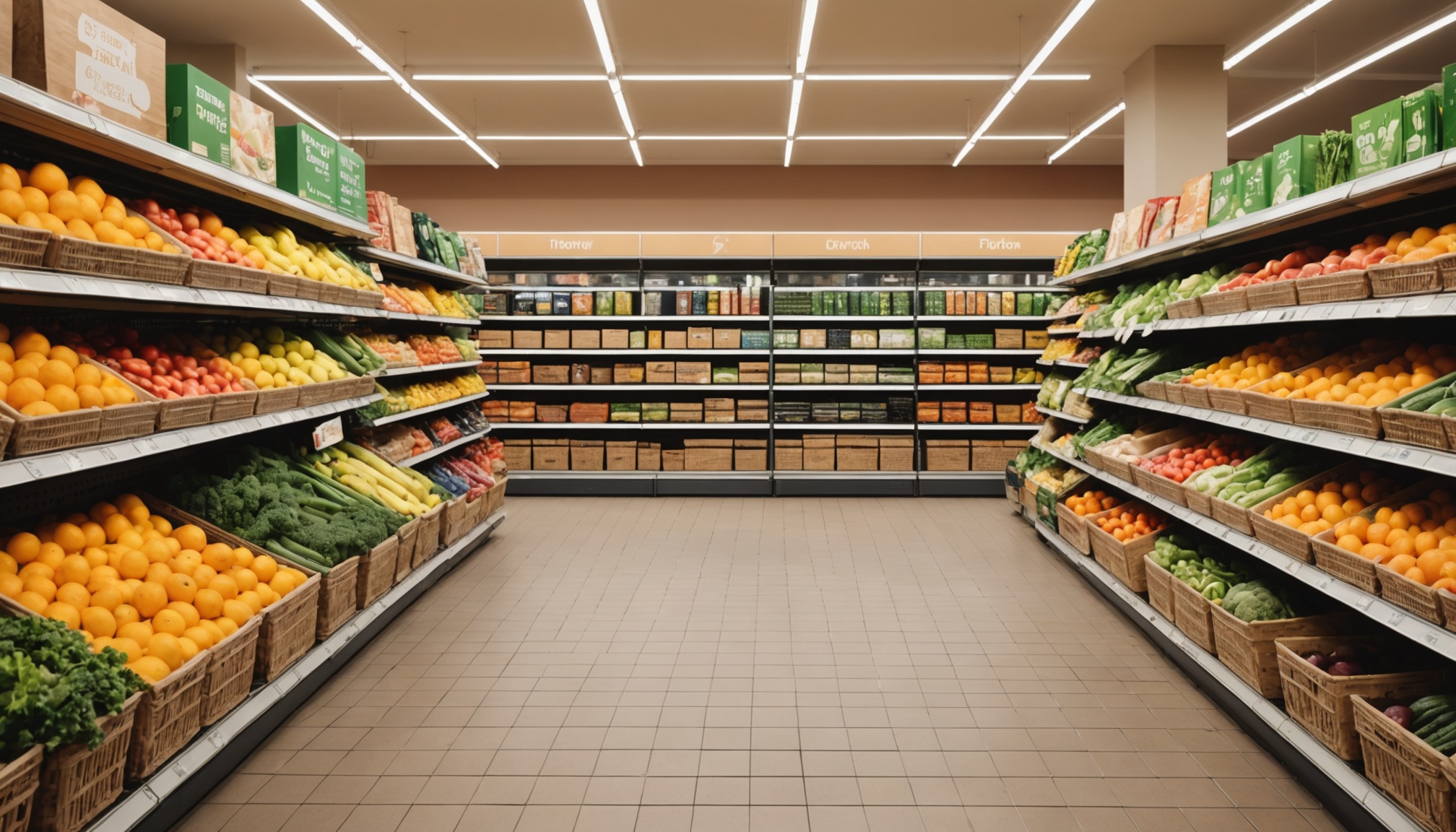
Eating healthy is getting more and more expensive, and fewer and fewer people in France can afford to do so. That's the finding, backed by hard numbers, of a national barometer and a coalition of advocacy groups now demanding a concrete measure: selling 100 healthy products at cost price in large supermarkets. After the National Assembly, it's now the Senate's turn to take up the issue.
Food insecurity on the rise
The latest Ipsos barometer conducted for Secours populaire (a French charity that fights poverty), published on September 10, 2026, is unequivocal: 37% of people in France say they can no longer afford a healthy diet that allows them three meals a day, four points higher than a year earlier. Even more worrying, 29% of respondents say they have already skipped a meal for lack of money, including 11% within the past six months. This food insecurity hits low-income households hardest, but it is now spreading to families who once considered themselves financially secure.
What exactly does “cost price” mean?
In response, around forty advocacy groups led by the NGO Foodwatch have been calling for months for a law requiring large retail chains to permanently offer a basket of at least 80 to 100 food items, selected according to the recommendations of France's National Nutrition and Health Program (PNNS), sold with no retail markup. The stated goal: to ensure the cost of this measure isn't passed on to producers and suppliers, but absorbed by retailers themselves.
The proposal was first brought before the National Assembly before the Senate, in mid-September 2026, also called for turning these findings into concrete legislative action. The advocacy groups point to a well-documented paradox: on supermarket shelves, the products most recommended on nutritional grounds are often also the most expensive, which naturally pushes cash-strapped households toward a less balanced diet.
What this would actually mean for consumers
- A wider basket of staple products (legumes, fruits, vegetables, unprocessed dairy) available at a floor price, not as a one-off promotional deal.
- Increased pressure on retail chains to clarify their margins on so-called “healthy” products.
- A parliamentary debate that could, depending on the timeline under consideration, result in binding legislation rather than a simple voluntary charter.
For now, no retail chain is legally required to apply this principle: discussions remain at the proposal stage, and there's no guarantee of swift adoption by Parliament. That's the key difference between an advocacy campaign being announced and a legal obligation actually taking effect.
Rising prices aren't helping
This debate comes as forecasts for food prices through the end of 2026 remain on an upward trend for several categories of products, according to projections shared by trade press. This trend adds to food inflation that has already been pronounced since spring, as we previously discussed regarding fresh produce, and partly explains why the cost-price issue is coming back so forcefully in public debate today.
Other warning signs are also troubling consumer advocacy groups, such as recurring alerts over the health and safety quality of certain everyday products, as a recent report on cadmium found in pasta pointed out: according to these NGOs, accessibility and nutritional quality are two sides of the same problem.
A broader context of food insecurity
This mobilization is unfolding against a backdrop where the issue of food waste also remains unfinished business, as shown by the recent review of commitments made by retailers. For advocacy groups, making healthy food more affordable and reducing food waste follow the same logic: better distributing resources that already exist, rather than waiting for an overall drop in prices, an outcome industry players consider unlikely in the short term.
Frequently Asked Questions
What is the “cost price” principle advocacy groups are calling for?
It involves selling a list of healthy food products in supermarkets, defined according to official nutritional recommendations, with no retail markup whatsoever, on a permanent basis rather than as a one-time promotion.
Is this measure already in effect in stores?
No. At this stage, it is a request put forward by a coalition of advocacy groups and under discussion in Parliament, not a legal obligation currently in force for large retail chains.
Why are more and more people in France giving up on eating well?
The September 2026 Ipsos/Secours populaire barometer points to a combination of persistent food inflation and broader economic strain on households, which reduces their ability to afford a balanced diet day to day.
Sources
Foodwatch France —
Vie publique —
Orange Actualités
This article was written with the help of artificial intelligence. Editorial policy