
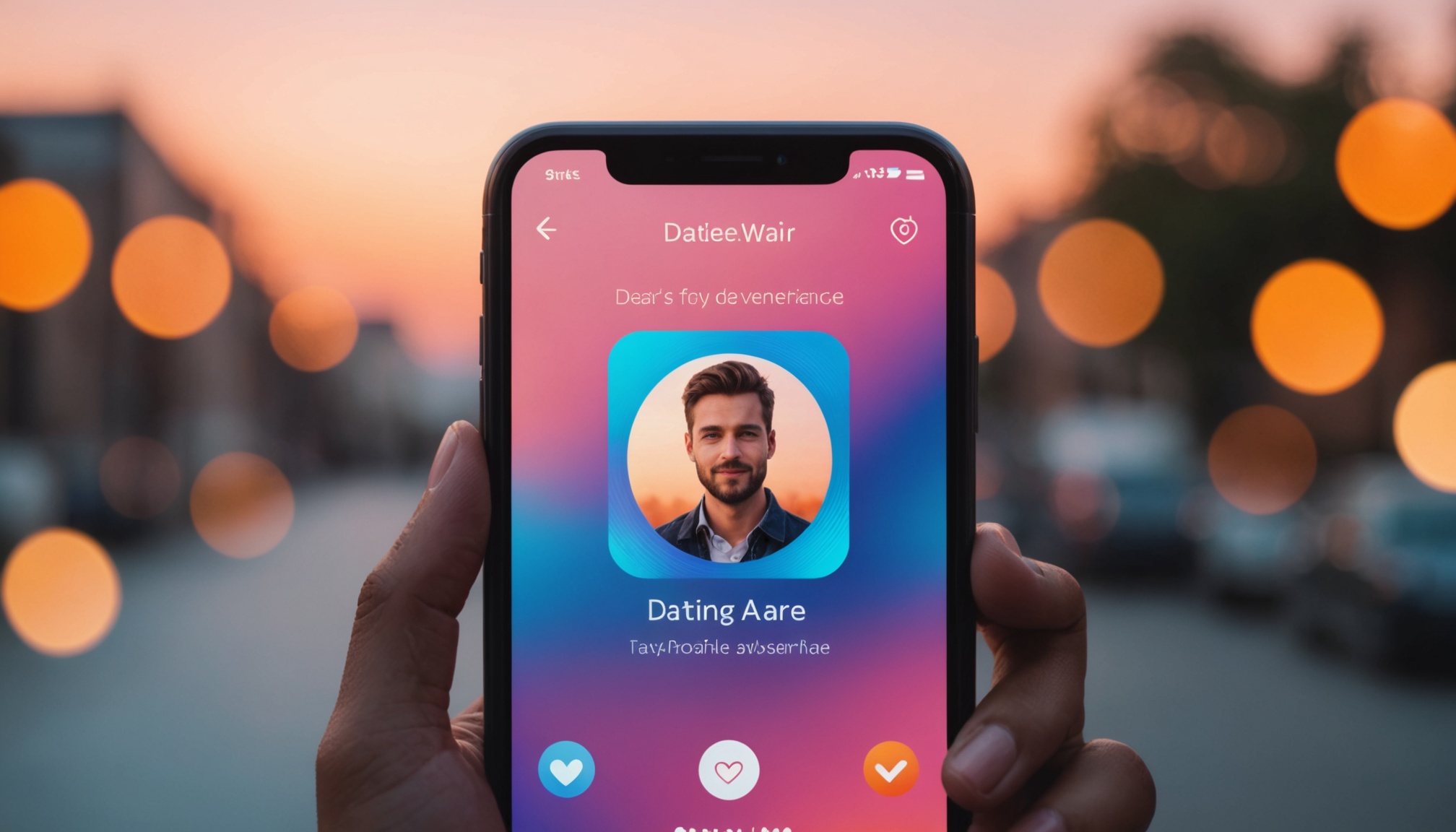
Creating a profile on a dating app without ever proving your identity: that era is coming to an end. Driven by a new French law on digital adulthood and by users' weariness with fake profiles, identity verification is gradually becoming a standard, well beyond social networks alone.
A Law Designed for Minors That Is Reshaping the Digital Landscape
On July 21, 2026, the French Senate definitively adopted the bill banning the creation of social media accounts for minors under 15, by a vote of 243 to 2, ahead of a matching vote in the National Assembly the following day (279 to 81). In practical terms, Instagram, TikTok, and Facebook will no longer be able to accept new sign-ups from minors under 15 starting September 1, 2026. Accounts already active get a grace period until January 1, 2027, after which they will be automatically deactivated if age verification has not been completed.
France's deputy minister for digital affairs hailed a “digital adulthood threshold unprecedented in Europe,” making France the first European Union member state to impose such a system nationwide. A key point of the reform: age verification becomes a technical requirement for platforms, no longer just a checkbox at sign-up. Several methods are under consideration: checking an ID document matched with a selfie through a trusted third party (France Identité, Docaposte, or a shared European solution), algorithmic age estimation based on a selfie without storing personal data, or an anonymized age token certifying digital adulthood without revealing the user's full identity. Only collaborative encyclopedias (Wikipedia, Vikidia) and open-source platforms like GitHub are exempt from the requirement.
Dating Apps, Already Moving in the Same Direction
This regulatory shift does not formally apply to dating apps, which have long been restricted to users over 18. But it fits within a broader trend these platforms had already anticipated: Tinder has offered selfie-based profile verification for several years, comparing selfies to posted photos; Bumble displays a “Verified” badge under the same conditions; and Hinge has rolled out its own selfie check to limit fake accounts. The stated goal is always the same: reduce fraudulent profiles and restore trust among users who have grown increasingly wary after years of fake accounts and romance scams covered in the press.
The spread of a digital identity recognized by the state — through France Identité today, and later through the future European Digital Identity Wallet planned under the eIDAS 2 regulation — could further accelerate this trend. Eventually, a user could prove their age and identity to a dating app without ever sharing their full name or documents, thanks to cryptographic tokens that reveal only the strictly necessary information (“of legal age,” “identity verified”).
What This Means in Practice for Users
- A “verified profile” badge is becoming a trust signal worth looking for before chatting with a stranger.
- Selfie verification doesn't guarantee there's no scam involved, but it significantly reduces fake profiles using stolen photos.
- Future digital identity tools (France Identité, the European wallet) could, in the medium term, be offered as an option by dating apps.
- Caution is still essential: no badge replaces common sense when faced with a request for money or a situation that seems too good to be true.
This shift is part of a broader movement toward securing the digital world, one that affects both digital technology in the broad sense and the legal framework governing online platforms, a topic closely followed in law circles. For users, a few simple everyday life habits remain the best safeguard against unpleasant surprises.
Frequently Asked Questions
Does the new digital adulthood law apply to dating apps?
Not directly: these apps are already restricted to users over 18. The 2026 law targets social networks, but it establishes a culture of identity verification that also indirectly affects dating app usage.
Is selfie verification mandatory on dating apps?
No, it remains optional on most apps today, but it is strongly encouraged through a “verified” badge displayed on the profile, meant to reassure other users.
What should you do if a verified profile behaves suspiciously?
A verification badge does not guarantee a person's intentions: if there's a request for money or unusual behavior, it's recommended to report the profile directly through the app and stop all contact.
Sources
La Quadrature du Net —
iPhoneSoft —
Siècle Digital
This article was written with the help of artificial intelligence. Editorial policy