
How many wild animals are at risk of disappearing from France? The National Red List of Threatened Species, compiled by the French Committee of the IUCN (International Union for Conservation of Nature) in partnership with the National Museum of Natural History (MNHN), provides a regularly updated, numbers-based answer. It's a status report that mixes persistent bad news with a few recovery stories.
Nearly 2,900 Species Affected
According to the National Red List, 2,903 species are now threatened in France, representing 16.7% of the species assessed, and 189 species have already disappeared or gone extinct within the country. This assessment work, carried out category by category for the past sixteen years, serves as a reference for public authorities and nature conservation groups alike in setting their priorities for action.
Animal Groups Affected Unevenly
The level of threat varies widely across major species groups. In mainland France, breeding birds and freshwater crustaceans are among the most at risk:
| Group | Share of threatened species |
|---|---|
| Breeding birds | 32% |
| Freshwater crustaceans | 28% |
| Reptiles | 24% |
| Amphibians | 23% |
| Freshwater fish | 19% |
| Mammals | 14% |
Habitat loss and fragmentation, pollution, climate change: the causes are usually combined. Summer heightens some of these pressures, such as the marine heat waves that are becoming increasingly frequent in the Mediterranean, which strain coastal ecosystems that are already under pressure.
The European Bison, a Symbol of Possible Recovery
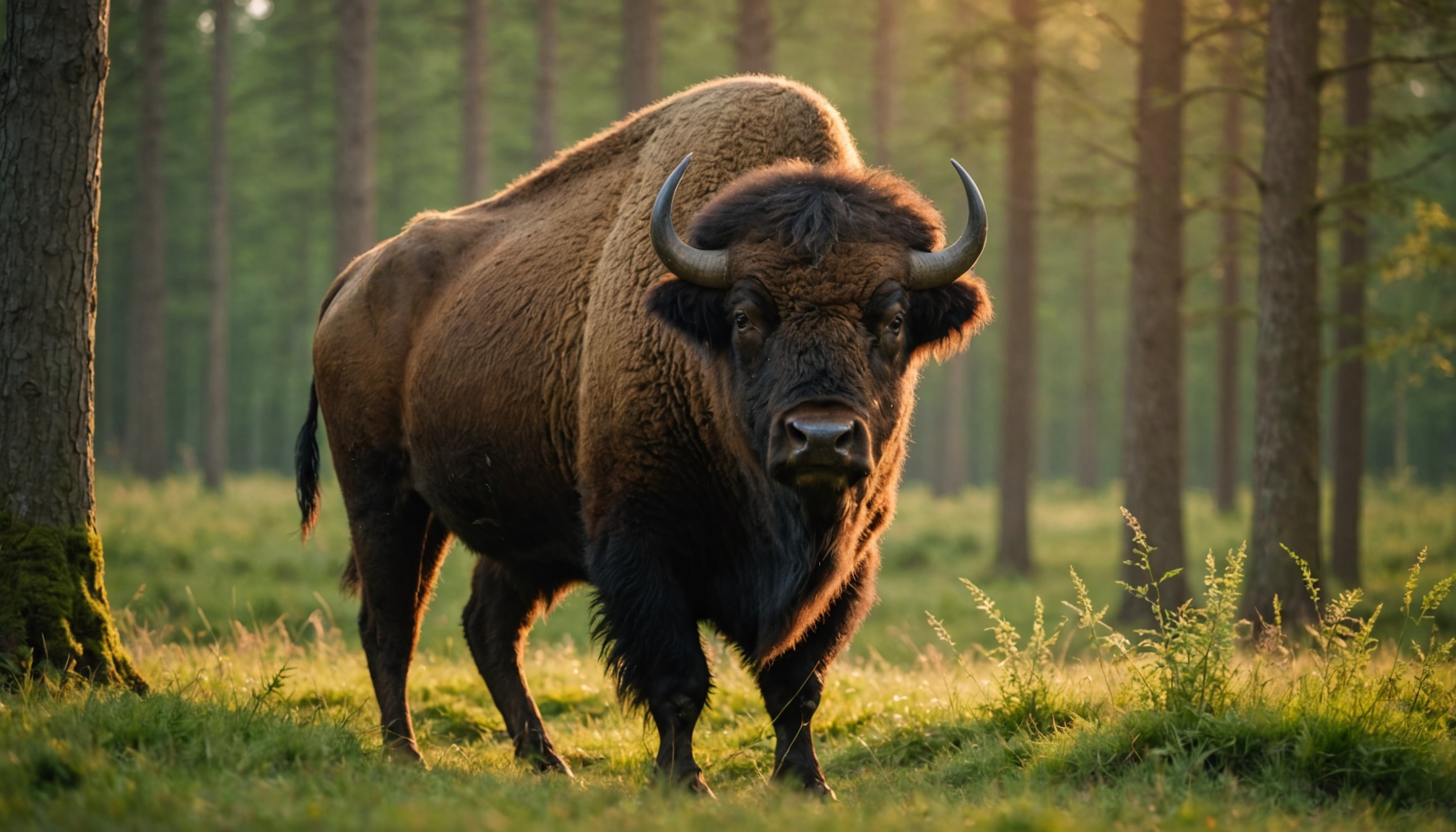
Not every indicator is in the red. The European bison shows that severe decline can be reversed: its population had dropped by more than 86% over thirty-one years, mainly due to poaching and habitat loss, before stabilizing and then rebounding thanks to breeding and reintroduction programs carried out across the continent. This kind of trajectory remains rare, but it shows that sustained effort over several decades can make a difference for a species on the brink.
Why These Numbers Matter
Beyond the percentages, the Red List serves as a practical tool: it guides the classification of protected areas, informs national action plans dedicated to specific species, and makes it possible to measure, from one update to the next, whether conservation policies are paying off. It is also regularly cited in debates over land use planning, where the presence of a threatened species can change the course of a project. Find more in-depth analysis in our news section and coverage of decisions affecting the country in local and national news.
Frequently Asked Questions
How many species are at risk of extinction in France?
The National Red List lists 2,903 threatened species, or 16.7% of the species assessed to date, plus 189 species already extinct or that have disappeared from the country.
Which animal groups are most threatened in France?
Breeding birds (32% of threatened species) and freshwater crustaceans (28%) show the highest proportions, ahead of reptiles, amphibians, freshwater fish, and mammals.
Can a threatened species truly recover?
Yes, although it remains the exception: the European bison, whose population had collapsed by more than 86% over thirty-one years, rebounded thanks to decades of breeding and reintroduction programs coordinated across Europe.
Sources
- IUCN French Committee — The Red List of Threatened Species in France
- National Museum of Natural History — 16 Years of the Red List in France
- Franceinfo — Endangered Species, News and Updates
This article was written with the help of artificial intelligence. Editorial policy