
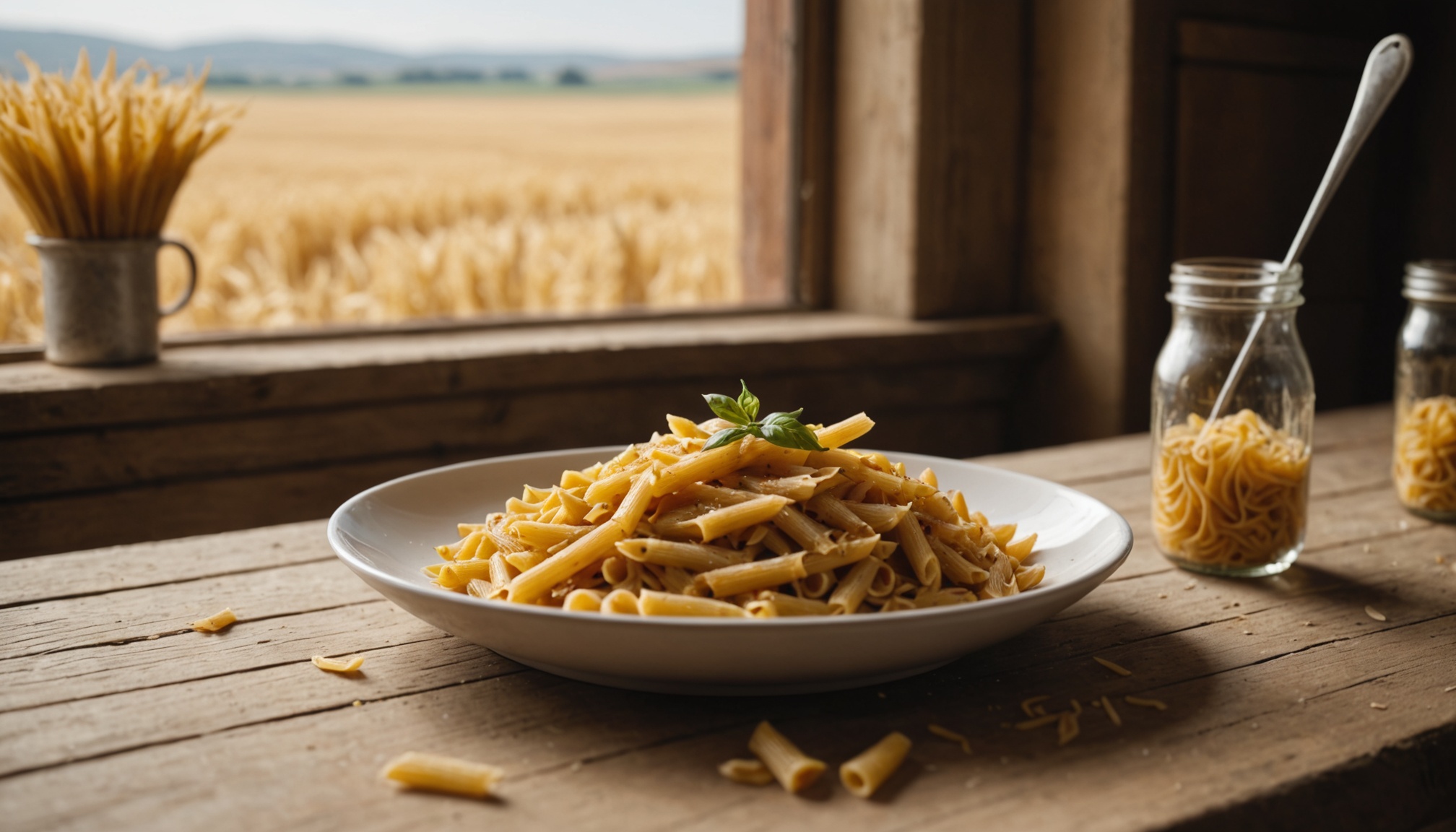
An unexpected spotlight has fallen on one of the most widely consumed products in French households. According to a study published in late August by 60 Millions de Consommateurs, eight out of ten packages of pasta sold in supermarkets in France contain traces of cadmium, a heavy metal classified as carcinogenic, mutagenic, and toxic to reproduction. Barilla, Lustucru, Panzani, and Rummo are among the brands affected by this finding, which has reignited the debate over the quality of grain grown in France and over European regulatory thresholds.
A Study That Puts 36 Products Under the Microscope
The magazine, backed by France's Institut National de la Consommation (the French national consumer institute), had 36 products analyzed—penne rigate and spaghetti among the best-selling in France: classic, whole-wheat, organic, protein-enriched, and gluten-free varieties. The result: 29 out of 36 packages showed cadmium levels higher than those found last year in oat flakes, another food already flagged for this type of contamination. The common feature among the most heavily contaminated pasta: their packaging highlights the French origin of the durum wheat used, as is the case for Lustucru, Panzani, and Alpina Savoie.
Cadmium is a heavy metal naturally present in certain agricultural soils, particularly those that have received phosphate fertilizers over decades. Plants absorb it through their roots and concentrate it in the grain, before it ends up, once the flour has been processed, on the consumer's plate. Unlike a typical product recall, this is not an accidental contamination but a chronic phenomenon linked to the very nature of the cultivated land.
A Regulatory Threshold That Is Met, but Vigilance Is Still Advised
An important point highlighted by the study's authors: none of the 36 packages tested exceeds the limit set by European regulations, established at 0.18 mg per kilogram for durum wheat. The “cleanest” pasta in the study, such as Delverde's gluten-free whole-wheat penne, showed a level of just 0.009 mg/kg, while other products reached 0.066 mg/kg, still without crossing the authorized ceiling.
It is therefore less the individual levels than the frequency of consumption that concerns food toxicology experts. Since pasta is among the most widely eaten starches in France, consumed several times a week in many households, repeated exposure to cadmium, even at low doses, could eventually represent an additional risk factor, particularly for kidney and bone function over the long term.
How to Limit Daily Exposure
Without needing to ban pasta from one's diet, several concrete steps can help reduce exposure:
- Varying grains and starches (rice, legumes, semolina) rather than eating pasta daily;
- Favoring a varied diet, in line with the recommendations of the Nutri-Score (France's nutrition labeling system), whose recent reform of its calculation method aims precisely to better guide consumers' choices;
- Referring to the detailed results by product, as some brands and formats show significantly lower levels than others.
This study comes amid an already tense climate for the French food industry, marked in recent weeks by persistent inflation on basic food products, which is pushing some households to rethink their buying habits without always being able to afford switching to pricier or higher-quality products.
Beyond the case of pasta, this publication also highlights the importance of reliable information about the composition of everyday products. On this front, resources such as magazines and guides devoted to everyday health help consumers better interpret scientific studies and make informed choices without giving in to alarmism.
Frequently Asked Questions
Should I Stop Eating Pasta After This Study?
No. None of the products tested exceeds the European regulatory threshold. Health authorities mainly recommend varying starch sources rather than completely excluding pasta from one's diet.
Is Cadmium Found Only in Pasta?
No, this heavy metal is found in many plants grown in soils rich in cadmium, including grains, legumes, potatoes, and cocoa. Pasta is just one example among other foods that are regularly monitored.
How Can I Know Whether a Particular Pasta Brand Is More or Less Affected?
The study by 60 Millions de Consommateurs details the levels measured product by product. Without direct access to this data, diversifying the brands and types of starches consumed remains the simplest habit to adopt on a daily basis.
Sources
- E-Sante.fr — Industrial Pasta: 80% of Products Tested Contaminated with Cadmium, According to 60 Millions de Consommateurs
- CNews — Cadmium: 80% of Pasta Reportedly Contaminated with This Toxic Metal, According to a Study
- Reporterre — How to Choose Your Pasta When 80% Is Contaminated with Cadmium?
This article was written with the help of artificial intelligence. Editorial policy
