
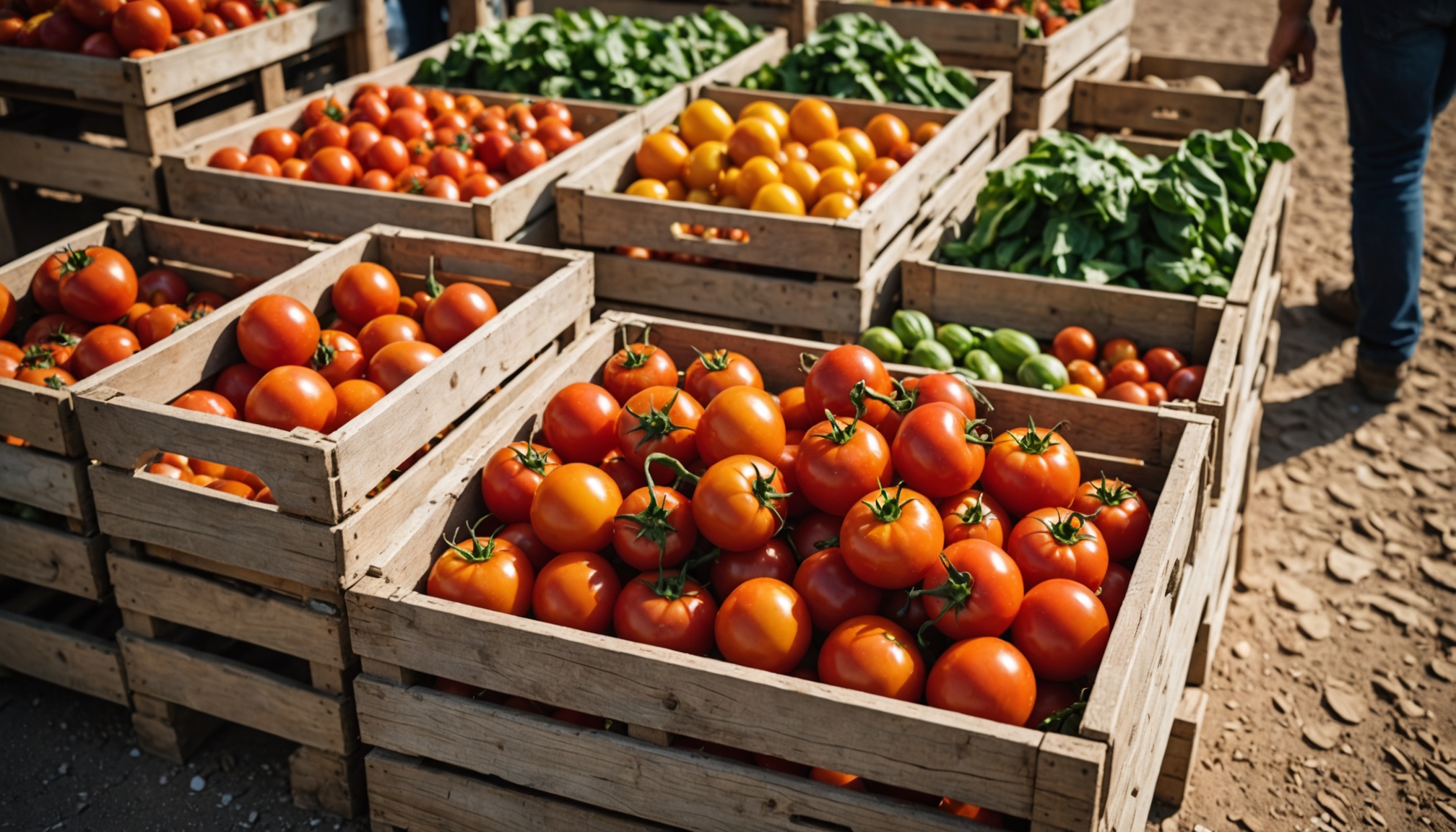
On the food aisle shelves of French supermarkets, a once-marginal habit is gaining renewed momentum this fall: that of ugly fruits and vegetables, products with irregular sizing or marked by minor visual flaws that used to be systematically pulled from shelves. This resurgence follows a summer marked by a heat wave and drought that weighed heavily on several French agricultural sectors.
Harvests weakened by the heat
The heat waves that struck during the summer of 2026 caused significant losses across several crops. The tomato harvest reportedly fell by about 30% in some production areas, while lettuce supplies were disrupted by the lack of water. The livestock sector was not spared either: on some farms, milk production reportedly dropped by nearly 30% due to heat stress on the animals.
These difficulties led several retail chains to rethink their sourcing policies. Rather than rejecting products whose outward appearance doesn't meet usual standards, some retailers are now choosing to sell them at a more affordable price, under labels highlighting their French origin.
Solidarity with farmers as a selling point
At Intermarché, the Les Mousquetaires group has made selling ugly fruits and vegetables an openly embraced part of its messaging. Its president, Thierry Cotillard, called on consumers to show solidarity with French producers facing a tough year weather-wise. The stated goal is twofold: to limit waste from already-reduced harvests and to support farms whose income depends directly on the volumes sold.
This approach comes amid heightened vigilance over prices. In early September, major retail chains said they wanted to contain price increases following trade negotiations, while acknowledging that some agricultural sectors might need early adjustments if weather conditions remain unfavorable.
Food inflation under watch
While retailers insist they want to avoid an immediate price shock, several industry officials mention the possibility of a new surge in food inflation by spring 2027, when the next major negotiations between manufacturers and retailers are set to take place. This comes as the rise in fresh produce prices seen last spring had already left a mark on consumers' minds.
- Tomato harvest down an estimated 30% in several production areas.
- Lettuce supplies disrupted by the lack of water.
- Milk production down on some farms hit by the heat.
- Retailers promoting irregularly shaped produce to cut down on waste.
A business climate that remains uncertain
Beyond the food industry alone, several economic indicators reflect widespread caution among players in French business. The business climate remains mixed depending on the sector, as shown by the recent trend in PMI indicators, which send sometimes contradictory signals about the health of the French economy. This uncertainty strengthens retailers' resolve to get ahead of pressures rather than simply absorb them.
On the food safety front, vigilance also remains high regarding the composition of processed products, as recently illustrated by the issue of certain metals found in everyday products. These topics are fueling growing consumer attention to the origin and quality of their food.
Frequently Asked Questions
Why are supermarkets selling more ugly fruits and vegetables?
This practice helps use up harvests affected by weather-related setbacks without throwing them away, while offering consumers more affordable prices.
Did the drought affect all crops equally?
No, some crops such as tomatoes or lettuce were more affected, while other sectors fared better depending on the region and irrigation conditions.
Should we expect an immediate rise in food prices?
Retailers currently say they're committed to keeping prices in check, but several officials mention a risk of price pressures starting in spring 2027, depending on weather conditions and the outcome of trade negotiations.
Sources
Orange Actu — LSA Conso — BourseInside
This article was written with the help of artificial intelligence. Editorial policy